Category: Blog

Your blog category

  • Border Collie Price in India (January 2025)

    Border Collie Price in India (January 2025)

    If you’re considering about adding a furry companion to your family in India, the Border Collie is undoubtedly a breed that merits your attention. Known for their exceptional intelligence, agility, and unwavering loyalty, Border Collies have earned a reputation as one of the world’s most versatile and adept herding dogs.

    While the initial investment for a Border Collie may seem significant, it’s essential to remember that responsible pet ownership involves ongoing expenses for food, veterinary care, grooming, and training. However, the love, joy, and companionship a Border Collie can bring to your life make this breed a cherished addition to any family. Border Collies thrive in active households with plenty of mental & physical stimulation, so be prepared to dedicate time and effort to meet their energetic nature.
    Border Collie Price in India
    Photo- Rushvika Pawar

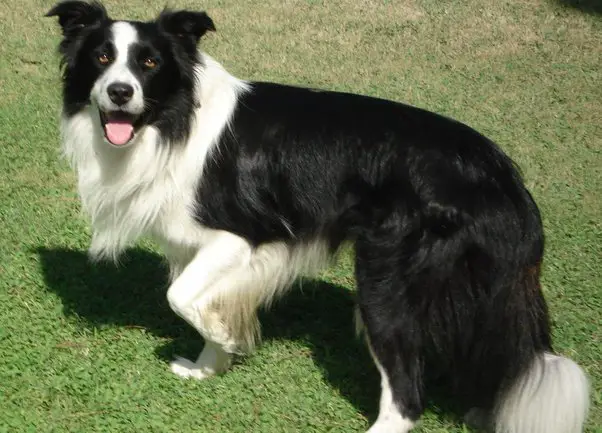
    Border Collie Price in India

    Generally, the cost of a Border Collie price in India can range from INR 25,000 to INR 50,000 and even higher for pups with exceptional lineage or who show potential. It’s essential to research and find a reputable breeder who prioritizes the health and well-being of their dogs to ensure you bring home a happy and healthy companion. Let’s check the Border Collie Price in India at different locations:

    [table id=15 /]

    History and Popularity

    The history of Border Collies is intertwined with their origins as herding dogs. The breed’s name comes from their ancestral home, the border region between Scotland and England. It is believed that the Border Collie we know today descends from collie-type herding dogs used by shepherds in the border region since the 18th century.

    The breed’s development gained momentum in the 19th century when formal sheepdog trials became popular. These trials tested the dogs’ herding abilities, intelligence, and obedience, and Border Collies excelled in these competitions due to their remarkable intelligence and natural herding instincts. In 1873, the first official sheepdog trial was held in Bala, Wales, and it marked the beginning of Border Collies’ recognition as a distinct and highly skilled herding breed.

    Over the years, the Border Collie’s popularity has soared, especially among farmers, shepherds, and those involved in dog sports and competitions. Their intelligence, agility, and trainability make them ideal working dogs, and they are often considered the premier herding breed. Beyond their herding prowess, Border Collies’ incredible intelligence has drawn the attention of dog enthusiasts and trainers worldwide.

    However, as with any popular breed, their increased visibility also brought challenges. The breed’s popularity led to some unethical breeding practices, and some individuals with a limited understanding of the breed’s needs attempted to keep them as pets without providing adequate physical and mental stimulation, leading to behavioural problems.

    Due to their working heritage and high energy levels, Border Collies may not be suitable for every household. They require plenty of exercise, mental stimulation, and a job to stay happy and balanced. Consequently, potential owners must thoroughly research the breed’s characteristics and make an informed decision based on their lifestyle and ability to meet the dog’s needs.

    Appearance
    Appearance
    Photo- Pet parlour

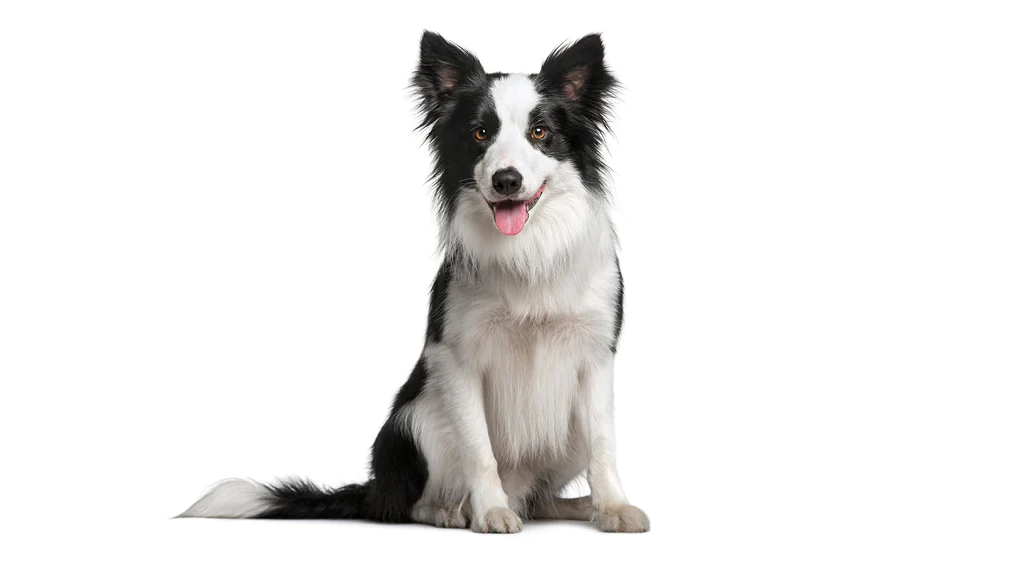
    Border Collies are medium-sized dogs that boast a distinctive and elegant appearance. Their appearance reflects their incredible athleticism and agility, which aligns with their herding heritage. Here’s an overview of the typical features that define the appearance of Border Collies:

    Body: Border Collies have a well-proportioned and muscular body. They are known for their agility and endurance, enabling them to work tirelessly for extended periods. The body is slightly longer than tall, giving them a sleek and athletic silhouette.

    Coat: Their double coat is one of their most striking features. The outer coat is dense, weather-resistant, and smooth or rough. The rough-coated Border Collies have longer hair and a noticeable mane around their necks. The undercoat is soft and insulating, protecting from the elements.

    Coat Colors: Border Collies exhibit various coat colours and patterns. The most common colours include black and white, red and white, tricolour (black, white, and tan), blue merle (mottled grey and black with white markings), and sable (shades of brown with lighter undercoat).

    Head: The head of a Border Collie is well-balanced and proportionate to its body. They have a moderately wide skull with a pronounced stop (the area where the forehead meets the muzzle). The muzzle is strong and tapers slightly towards the nose.

    Eyes: One of the most captivating features of Border Collies is their expressive and intelligent eyes. They are oval-shaped and come in various colours, including brown, blue, and even one blue and one brown (commonly referred to as “split eyes”). The intense gaze of their eyes is often used to control and direct the livestock they herd.

    Ears: Border Collies have moderately sized, upright ears set well apart on their heads. Their ears are sensitive and contribute to their excellent sense of hearing, helping them respond swiftly to commands.

    Tail: Their tail is often bushy and reaches down to their hocks. When Border Collies are alert or excited, they tend to hold their tail high. During moments of relaxation, their tail may hang down.

    Size: Border Collies are considered medium-sized dogs. On average, males stand around 19 to 22 inches (48 to 56 cm) at the shoulder, while females are slightly smaller, measuring about 18 to 21 inches (46 to 53 cm).

    Characteristics
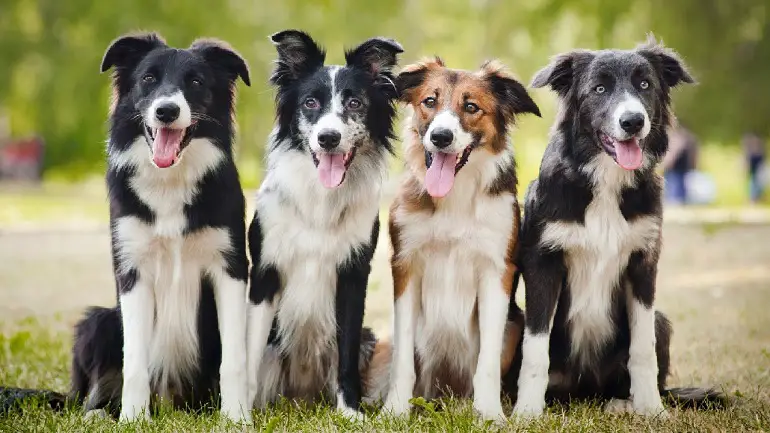
    charactertics of border collie

    Border Collies are renowned for their distinctive and fascinating characteristics, which make them one of the most intelligent and versatile dog breeds. From their herding heritage to their unwavering loyalty, here are some key traits that define the Border Collie’s personality:

    Intelligence: Border Collies are often regarded as the most intelligent dog breed. They have an exceptional ability to learn quickly and understand complex commands. Their intelligence makes them highly trainable and eager to work with their owners.

    Herding Instinct: Bred as herding dogs, Border Collies possess a strong instinct to gather and control livestock. They may exhibit herding behaviours with children, other pets, or inanimate objects, even if they have not been exposed to herding tasks. This instinct is deeply ingrained in their nature.

    Energetic and Agile: Border Collies have boundless energy and require regular physical exercise to stay happy and healthy. They are incredibly agile and excel in canine sports like agility, flyball, and obedience trials.

    Work Ethic: Border Collies have an extraordinary work ethic due to their herding background. They are always eager to please their owners and are motivated by tasks and challenges. This makes them ideal working dogs and competitive performers in various dog sports.

    Alertness and Sensitivity: Border Collies are highly alert and observant of their surroundings. They are very sensitive to environmental changes & can be attuned to their owner’s emotions, making them intuitive companions.

    Problem-Solving Abilities: Their intelligence is complemented by impressive problem-solving skills. Border Collies can assess situations and find creative solutions to overcome obstacles or complete tasks.

    Loyalty and Bonding: Border Collies form strong bonds with their human family members. They are loyal and devoted to their owners, and this loyalty often extends to other pets in the household.

    Communication: Border Collies have a unique way of communicating with their handlers. They may use their intense stare, “eye,” and body language to guide and control livestock. They can also use these cues in a domestic setting to communicate their needs and intentions.

    Independent Thinkers: While highly obedient and trainable, Border Collies can also be independent thinkers. They may try to assess situations and act on their judgment, which requires consistent, firm, and positive training.

    Versatility: Beyond herding and sports, Border Collies can excel in various roles, including search and rescue, therapy work, and assistance tasks. Their versatility and adaptability make them valuable in various working roles.

    FAQs 

    What is the origin of Border Collies?

    Border Collies originated in the border region between Scotland and England, where they were developed as highly skilled herding dogs.

    Are Border Collies good family pets?

    Border Collies can make excellent family pets, especially in active households. However, they require plenty of physical & mental stimulation to thrive.

    Do Border Collies get along with children and other pets?

    Border Collies can get along well with children and other pets if properly socialized from a young age. Their herding instincts may lead them to try and herd small children or animals, so supervision is essential.

    How much exercise do Border Collies need?

    Border Collie are highly energetic dogs that need a substantial amount of exercise. They require daily activities such as long walks, playtime, & mental stimulation to stay happy and prevent behavioural issues.

    Are Border Collies easy to train?

    Border Collies are highly trainable due to their intelligence and eagerness to please their owners. They excel in obedience training and various canine sports.

    Do Border Collies shed a lot?

    Border Collies have a dense double coat, and shedding can vary depending on each dog. Regular grooming can help manage shedding.

    Are Border Collies prone to any health issues?

    Border Collie can be prone to certain health problems like all breeds, including hip dysplasia, epilepsy, and eye conditions. Regular health checks and responsible breeding can minimize these risks.

    Do Border Collies require mental stimulation?

    Because of their high intelligence, mental stimulation is crucial for Border Collies. Engaging them in activities like puzzle toys, training sessions, and interactive games is essential to keep their minds sharp.

    Can Border Collies live in apartments?

    While Border Collies can adapt to apartment living, it’s not ideal for their high energy levels. They require ample space to run and play, making them better suited for homes with a yard or access to open areas.

    Are Border Collies suitable for first-time dog owners?

    Border Collies are better suited for experienced dog owners or those willing to invest time and effort in training and providing adequate exercise and mental stimulation.

    Do Border Collies bark a lot?

    Border Collies can be vocal, especially when bored or not getting enough attention. Proper training can help manage excessive barking.

    Are Border Collies good with strangers?

    Border Collies can be reserved or cautious around strangers. Early socialization can help them become more comfortable in new situations and with unfamiliar people.

    Also, Have a look at:-

    1. Indian Splitz Price in India (2023)
    2. Labrador Price in India (2023)
    3. German Shephard Price in India (2023)

    Conclusion

    Border Collie Price in India are worth by their exceptional canine companions, showcasing their intelligence, agility, and herding instincts. With origins rooted in the border regions of Scotland and England, these dogs have evolved into versatile working dogs and beloved family pets. Their boundless energy and remarkable problem-solving abilities make them ideal candidates for various dog sports and tasks. However, potential owners must be ready to meet their high exercise and mental stimulation needs. For those prepared to invest time and effort, the Border Collie’s unwavering loyalty and devotion make them extraordinary additions to any active and dedicated household.
  • Indian Splitz Price in India (January 2025)

    Indian Splitz Price in India (January 2025)

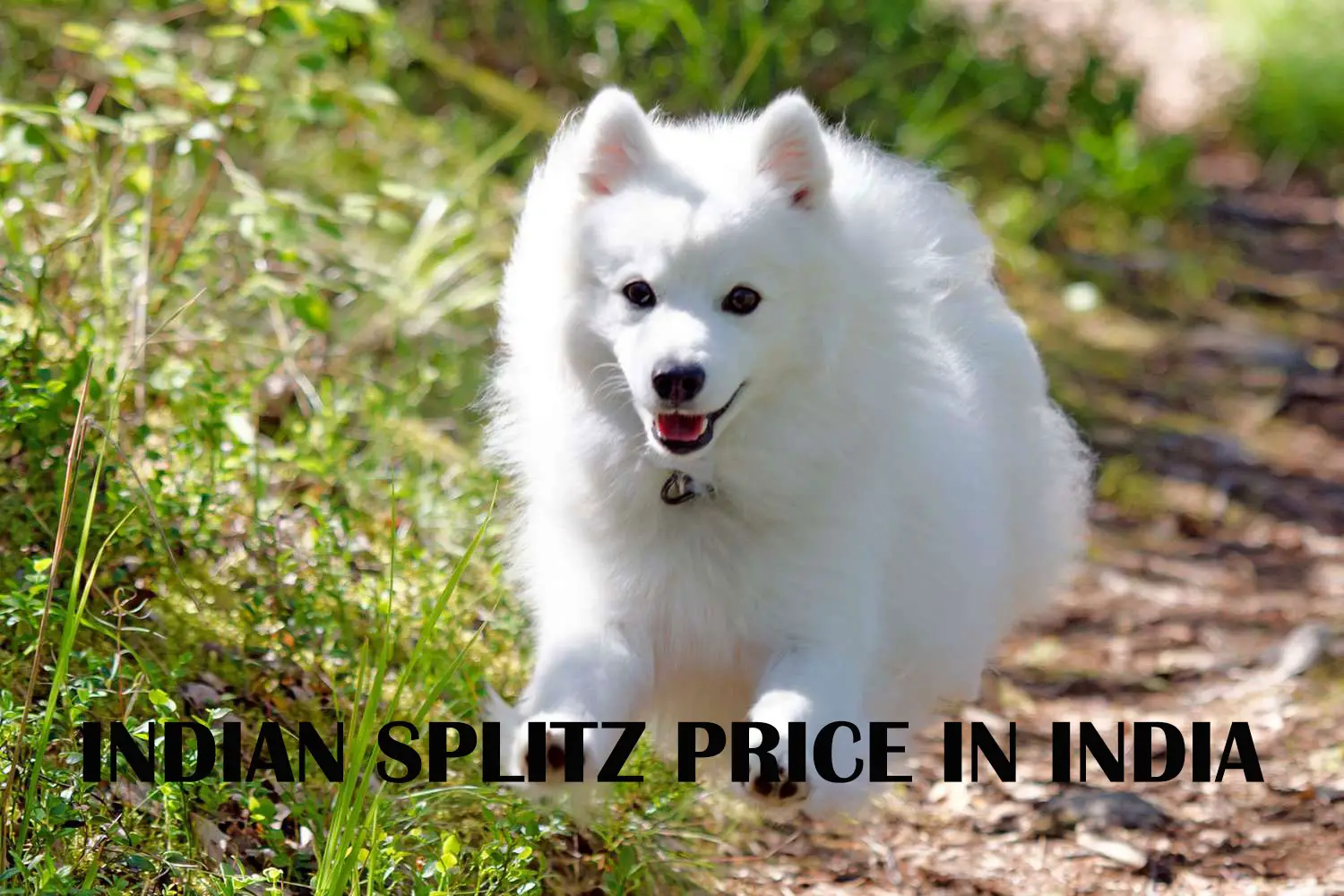
    If you’re considering bringing a furry companion into your home, the Indian Spitz is an excellent choice. The Indian Spitz, also known as the Indian Pomeranian or Indian Spitz Dog, is a small to medium-sized breed resembling the German Spitz. Known for its fox-like appearance, fluffy double coat, and alert, expressive eyes, the Indian Spitz has become popular with families and individuals.

    Before bringing an Indian Spitz puppy into your home, it is essential to know its history, Appearance, Training, and the Indian Splitz price in India. A healthy and happy puppy is undoubtedly priceless, and finding the right match for your family will be a rewarding experience.

    Indian Splitz Price in India

    Indian Splitz Price in India, according to the latest analysis, evaluated between Rs. 6,000 to Rs. 15,000. The price of Indian Splitz regularly fluctuates, keeping several factors in mind. The India Splitz Price in India differs in every region of the Nation. Let’s Check the Indian Splitz Prices in different Cities of India.

    [table id=12 /]

    Factors that Affect the Indian Splitz Price in India

    Several factors can influence the Indian Splitz Price in India. These factors may vary depending on the breeder, location, demand, and the individual characteristics of the puppy.

    Pedigree and Lineage: Indian Spitz puppies with a strong pedigree, coming from champion bloodlines or parents with impressive show records, are likely to be more expensive. A well-documented lineage can assure potential buyers of the puppy’s quality and conformation to breed standards.

    Breed Standard and Conformation: Puppies that closely adhere to the Indian Spitz breed standard, including physical appearance, coat quality, and temperament, may command higher prices, especially if intended for show or breeding purposes.

    Health and Vaccination: The puppy’s health is crucial in its Indian Splitz Price in India. Puppies that have received necessary vaccinations, deworming, and health check-ups from a reputable veterinarian may be priced higher due to the associated costs.

    Age of the Puppy: Younger puppies are generally more expensive than older ones. Very young puppies under 8 weeks might be priced higher due to the care required during the early weeks of life.

    Location: Indian Splitz Price in India, puppies can vary significantly based on the breeder’s location and the demand for the breed in that area. Puppies from metropolitan cities may be more expensive than smaller towns or rural areas.

    Breeder’s Reputation: Reputable breeders who prioritize the health and well-being of their dogs may charge higher prices for their puppies. Buyers often trust responsible breeders who provide dogs with a safe and caring environment.

    Color and Coat Quality: The color and coat quality of Indian Spitz puppies can also impact their price. Unusual or rare coat colors may be more sought after and therefore priced higher.

    Registration and Certification: Puppies with official registration and certification from recognized kennel clubs or organizations may have higher prices, as this provides documentation of their pedigree and authenticity.

    Supply and Demand: Fluctuations in demand for Indian Spitz puppies can affect their price. Indian Splitz Price in India may be higher if the breed is currently popular or in high demand.

    Additional Services: Breeders may offer additional services like microchipping, initial training, or transportation, which can influence the overall price of the puppy.

    Everything You Need To Know About Indian Splitz

    History:-

    The exact origin of the Indian Spitz is not well-documented. Still, it is believed to have originated in India, likely from crossing various Spitz-type dogs brought to the region by travelers and traders. During the British colonial era, European dog breeds were introduced to India, and some of these breeds might have influenced the development of the Indian Spitz. There is speculation that the Indian Spitz might have some genetic connection with the German Spitz, as they share similar physical characteristics.

    One reason for its popularity could be its adaptability to the diverse climates of India, ranging from the hot plains to the cooler regions in the north. Their thick, double coat helps them cope with cold and warm weather. Over the years, the Indian Spitz population grew, and informal breeding practices were common. The breed’s appearance and characteristics might have varied regionally due to the lack of standardized breeding practices.

    Appearance:-

    Appearance

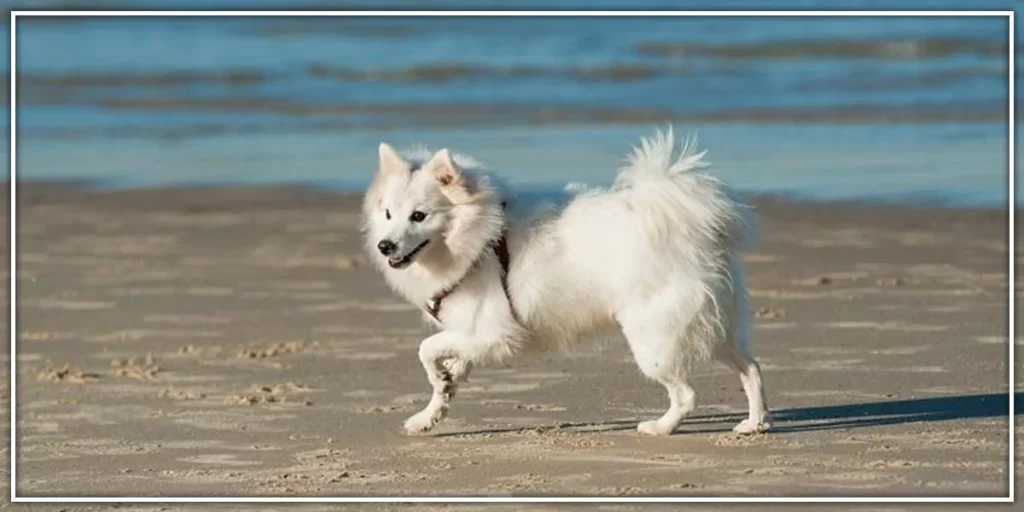
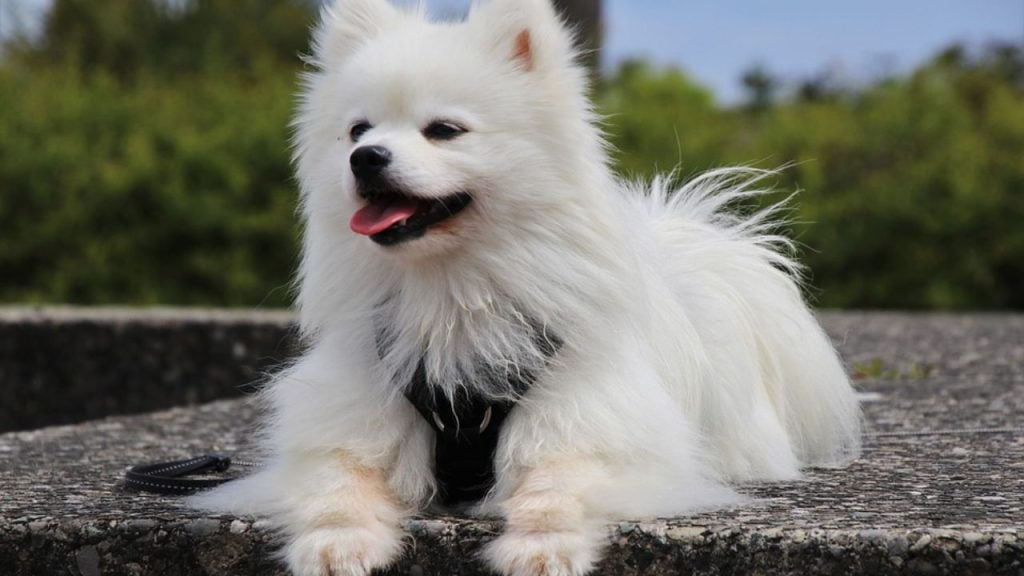
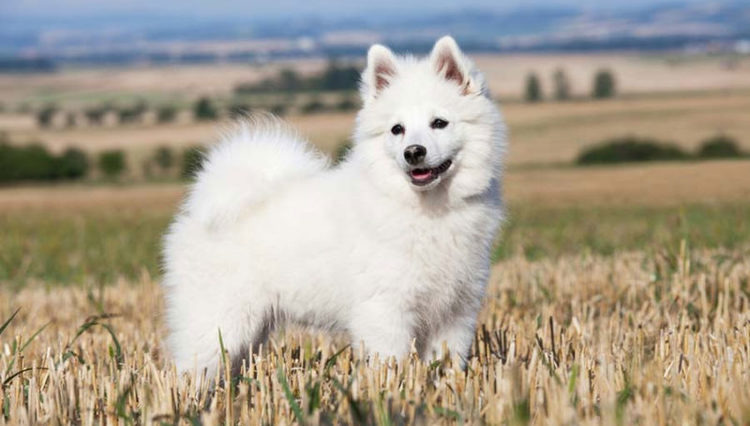
    The Indian Spitz is a charming and adorable small to medium-sized dog breed with a distinct appearance. They have a fox-like faces with a pointed muzzle and expressive almond-shaped eyes that exude intelligence and friendliness. Their ears are erect and triangular, adding to their alert and perky expression. One of their most striking features is their fluffy double coat, which comes in various colors, including white, black, brown, and cream.

    The thick coat stands away from the body, giving them a regal and majestic look. Indian Spitz dogs have a plumed tail that curls over their back, adding to their elegance. Overall, their appearance exudes grace and charm, making them an endearing and popular choice as a family companion in India.

    Temperament:-

    The Indian Spitz is known for its friendly and affectionate temperament, making it an excellent companion for families and individuals alike. They are social dogs that bond closely with their human family members and are often affectionate towards children. Despite their small size, they can be alert and make good watchdogs, barking to alert their owners of potential threats.

    Indian Spitz dogs are intelligent and quick learners, making training relatively easy. They thrive on attention and love being involved in family activities. This breed is generally amicable towards strangers and other pets if properly socialized from an early age. Their playful and lively nature ensures they bring joy and happiness to their households, making them a beloved family member.

    Health tips:-

    Schedule regular visits to the veterinarian for health check-ups and vaccinations. Routine examinations can help catch any potential health issues early on and ensure your dog stays up to date with necessary vaccinations. Provide a balanced and nutritious diet suitable for your Indian Spitz’s age, size, and activity level. Avoid overfeeding, as this breed can be prone to weight gain, leading to health problems.

    Always keep fresh and clean water available for your dog to drink. Hydration is crucial for overall health & well-being. Indian Spitz dogs are energetic and need regular exercise to stay physically and mentally stimulated. Daily walks, playtime, and interactive activities will help keep them happy and prevent behavioral issues. Regular grooming is essential to maintain the Indian Spitz’s thick double coat. Brush their fur at least two to three times a week to prevent matting and reduce shedding. Trim their nails regularly and clean their ears to avoid infections.

    Early socialization is essential to ensure your Indian Spitz becomes well-adjusted and friendly around other people and pets. Keep your dog’s stress levels low by providing a safe and secure environment and regular affection and attention. Monitor your Indian Spitz closely and be attentive to changes in behavior, appetite, or activity levels. If you notice anything unusual, immediately consult your veterinarian.

    Food:-

    Feeding your Indian Spitz a nutritious and balanced diet is essential for their health & well-being. Choose high-quality dog food that is specifically formulated for small to medium-sized breeds. Look for ingredients that balance protein, carbohydrates, fats, vitamins, and minerals well.

    Avoid feeding them table scraps or excessive treats, as it can lead to gain weight and nutritional imbalances. Be mindful of portion sizes to prevent overfeeding and obesity. Fresh water should always be available. If you have any concerns about your Indian Spitz’s dietary needs or if they have any special dietary requirements, consult with a veterinarian for personalized feeding recommendations.

    Training For Indian Splitz

    Training the Indian Spitz is a rewarding experience, as they are intelligent, eager to please, and quick learners. Here are some training tips to help you effectively train your Indian Spitz it also affects the Indian Splitz Price in India:

    Start Early: Train your Indian Spitz when you bring them home, ideally when they are still puppies. Early socialization and training are essential for shaping their behavior and temperament.

    Positive Reinforcement: Use positive reinforcement methods such as treats, praise, and affection to reward good behavior. This breed responds very well to positive reinforcement and will be more motivated to repeat desirable actions.

    Consistency: Be consistent in your training approach and commands. Use the same cues for specific behaviors to avoid confusion and help your dog understand what is expected of them.

    Basic Commands: Teach essential commands like “sit,” “stay,” “come,” and “down.” These commands will make your daily interactions easier and ensure your dog’s safety in various situations.

    House Training: Start house training your Indian Spitz early on. Establish a regular potty schedule and take them outside after meals, playtime, and waking up in the morning.

    Leash Training: Get your dog used to walking on a leash from a young age. Use positive reinforcement to encourage loose leash walking and reward them when they walk calmly beside you.

    Socialization: Expose your Indian Spitz to various people, dogs, and environments to help them become well-adjusted and confident. Proper socialization can prevent fear and aggression issues later in life.

    Patience and Kindness: Be patient and kind during the training process. Avoid punishment-based methods, as this breed responds better to positive and gentle training techniques.

    Mental Stimulation: Keep your Indian Spitz mentally stimulated with interactive toys, puzzle games, and training sessions. Mental exercise is just as required as physical exercise for this intelligent breed.

    Avoid Overexertion: While training is essential, avoid long and intense training sessions, especially for puppies. Their attention span is limited, so keep training sessions short and fun.

    Training as a Bonding Experience: Use training as an opportunity to bond with your Indian Spitz. Building a strong bond will foster a trusting and loving relationship between you & your dog.

    Training For Indian Splitz
    Photo- Pawsindia

    Indian Splitz Personality and Behavior

    Indian Spitz dogs are affectionate and love being around their human family members. They enjoy cuddling and spending quality time with their loved ones. This breed has a playful and lively nature, making them great playmates for children and adults alike. They have a youthful exuberance that brings joy to their households.

    Indian Spitz dogs are intelligent and quick learners. They are responsive to training and can easily pick up commands and tricks. Despite their small size, Indian Spitz dogs can be alert watchdogs. They bark to alert their owners of potential intruders or unusual activities. Indian Spitz dogs are social animals and usually get along well with other pets and dogs, especially if they are properly socialized from a young age.

    They are loyal to their family and develop strong bonds with their human members. They enjoy being involved in family activities and thrive on attention and love. While they enjoy human company, Indian Spitz dogs also have some independence in their nature. They can entertain themselves and are not overly clingy. Indian Spitz dogs are adaptable to various living environments, including apartments and houses. They can adjust well to urban living with adequate exercise and mental stimulation.

    The friendly and patient nature of Indian Spitz dogs makes them good companions for children. However, supervision is always recommended when young children interact with any dog. Indian Spitz dogs are generally gentle and non-aggressive in their behavior. However, proper socialization and training are essential to ensure they develop well-rounded and well-behaved personalities.

    They have a relatively high energy level and enjoy regular exercise and playtime. Providing them with physical and mental stimulation is crucial to prevent behavioral issues. Indian Spitz dogs have a curious nature and may investigate their surroundings. Ensuring a safe environment and supervising outdoor activities are important to keep them out of harm’s way.

    Indian Splitz Lifespan

    The lifespan of an Indian Spitz typically ranges from 12 to 14 years, though some may live even longer with proper care and a healthy lifestyle. Like all dog breeds, the lifespan of an Indian Spitz can be influenced by various factors, including genetics, diet, exercise, overall health care, and living conditions.

    While there’s no way to guarantee a specific lifespan for any individual dog, responsible pet ownership and providing a loving, caring, and nurturing environment can help ensure that your Indian Spitz lives a long, happy, and healthy life as a beloved member of your family.

    Indian splitz price in india
    Photo- Petfather

    Facts about the Indian Splitz 

    1. The Indian Spitz is believed to have originated in India, where it was developed through a mix of local Spitz-type dogs and breeds introduced by travelers and traders.

    2. While the breed is popular in India and some neighboring countries, it is not officially recognized by major international kennel clubs like the American Kennel Club (AKC) or the Kennel Club of the United Kingdom (KC). However, it is recognized by the Kennel Club of India (KCI) and other national kennel clubs in Asia.

    3. The Indian Spitz has a fox-like appearance with a pointed muzzle, expressive eyes, erect triangular ears, and a plumed tail that curls over its back. They come in various colors: white, black, brown, and cream.

    4. Indian Spitz dogs are highly adaptable to various living environments, including apartments and houses. They can thrive in both urban & rural settings.

    5. The Indian Spitz is a popular choice as a family companion due to its friendly, affectionate, and playful nature. They are known to form strong bonds with their human family members.

    6. Despite their fluffy appearance, Indian Spitz dogs have relatively low grooming needs. Regular brushing can help keep their double coat in good condition.

    7. While not aggressive, Indian Spitz dogs are known for being good watchdogs. They will bark to warn their owner of potential threats or unusual activities.

    8. Indian Spitz dogs have a lot of energy and require regular exercise to make them happy & healthy. Daily walks and playtime are important for their physical and mental well-being.

    9. This breed is intelligent and trainable. They are quick learners & respond well to positive reinforcement training methods.

    10. Early socialization is essential for Indian Spitz dogs to ensure they become well-adjusted and friendly around other people and animals.

    11. Indian Spitz dogs are small to medium-sized, with adult males typically larger than females.

    12. With proper care and a healthy lifestyle, Indian Spitz dogs can have a lifespan of around 12 to 14 years, though some may live even longer.

    If you want to know about the Labrador than
    READ: Everything you need to know about Labrador

    Frequently Asked Questions (FAQs):

    How much does an Indian Spitz puppy cost in India?

    The cost of an Indian Spitz puppy in India can vary depending on location, breeder reputation, lineage, and age. On average, Indian Splitz Price in India range from INR 5,000 to INR 35,000 or more for show-quality puppies from reputable breeders.

    Why are Indian Spitz puppies from reputed breeders more expensive?

    Indian Spitz puppies from reputable breeders often come with proper documentation, health certifications, and a strong lineage with show records. The extra cost reflects the breeder’s investment in providing a well-bred, healthy puppy with desirable traits.

    Are Indian Spitz puppies cheaper in smaller towns or rural areas?

    Indian Spitz puppies may be cheaper in smaller towns or rural areas compared to metropolitan cities where demand and living costs are higher.

    Can I find Indian Spitz puppies for adoption?

    You can find Indian Spitz dogs for adoption through animal shelters, rescue organizations, or pet adoption events. Adopting a dog is a wonderful way to give a loving home to a needy pet.

    What additional costs should I consider when getting an Indian Spitz puppy?

    In addition to the initial Indian Splitz Price in India, consider other expenses like vaccinations, microchipping, pet insurance, food, grooming supplies, and regular veterinary check-ups.

    How do I avoid buying from puppy mills or unethical breeders?

    To avoid puppy mills or unethical breeders, do thorough research and choose reputable breeders with good reviews and transparent practices. Visit the breeder in person, ask questions about their breeding methods, and ensure the puppies are raised in a clean and caring environment.

    Is there a price difference between male and female Indian Spitz puppies?

    There might not be a significant price difference between male and female Indian Splitz Price in India from the same litter. The price is usually based on lineage, breeder reputation, and puppy quality.

    Can I negotiate the price of an Indian Spitz puppy with the breeder?

    While some breeders may be open to negotiations, it’s essential to be respectful and considerate in discussing the puppy’s price. Remember that responsible breeders invest time, effort, and resources in breeding healthy and well-cared-for puppies.

    What age is suitable for bringing an Indian Spitz puppy home?

    Indian Spitz puppies are typically ready to leave their mother and littermates at around 8 to 10 weeks. This is an ideal age for them to transition to their new homes and start bonding with their new family.

    Are Indian Spitz dogs good with children?

    Indian Spitz dogs are known for their friendly and patient nature, making them good companions for children. However, supervision is always recommended when young children interact with any dog to ensure a positive and safe experience for both the child and the dog.

  • German Shepherd: A Fascinating Journey from History to Characteristics and Temperament

    German Shepherd: A Fascinating Journey from History to Characteristics and Temperament

    German Shepherd Overview covers the basic knowledge about this breed’s history, how it becomes this demanding in today’s world, the characteristics and temperament towards other people and dogs and his essential daily requirement.

    The German Shepherd breed captured the hearts of dog lovers worldwide with its striking appearance and exceptional qualities. Known for their intelligence, versatility, and unwavering loyalty, it shows us that they have a rich history and distinct characteristics that set them apart from other breeds. 

    This article will provide overview about their history, physical attributes, temperament, and famous societal roles. We are going to discuss their importance here and how they became great for pets as well as also for other tasks.

    German Shepherd Overview: History

    The history for this breed is a fascinating tale that begins in 19th-century Germany. This iconic breed was the result of the vision and dedication of a man named Captain Max von Stephanitz. His relentless pursuit of creating the ideal herding dog laid the foundation for what would eventually become the German Shepherd we know today.

    German Shepherd History

    Under Captain von Stephanitz’s guidance, this breed standard was established. The standard defined the breed’s ideal physical characteristics, temperament, and working abilities. It emphasized the importance of a strong, well-muscled body, an alert expression, and a confident and steady temperament.

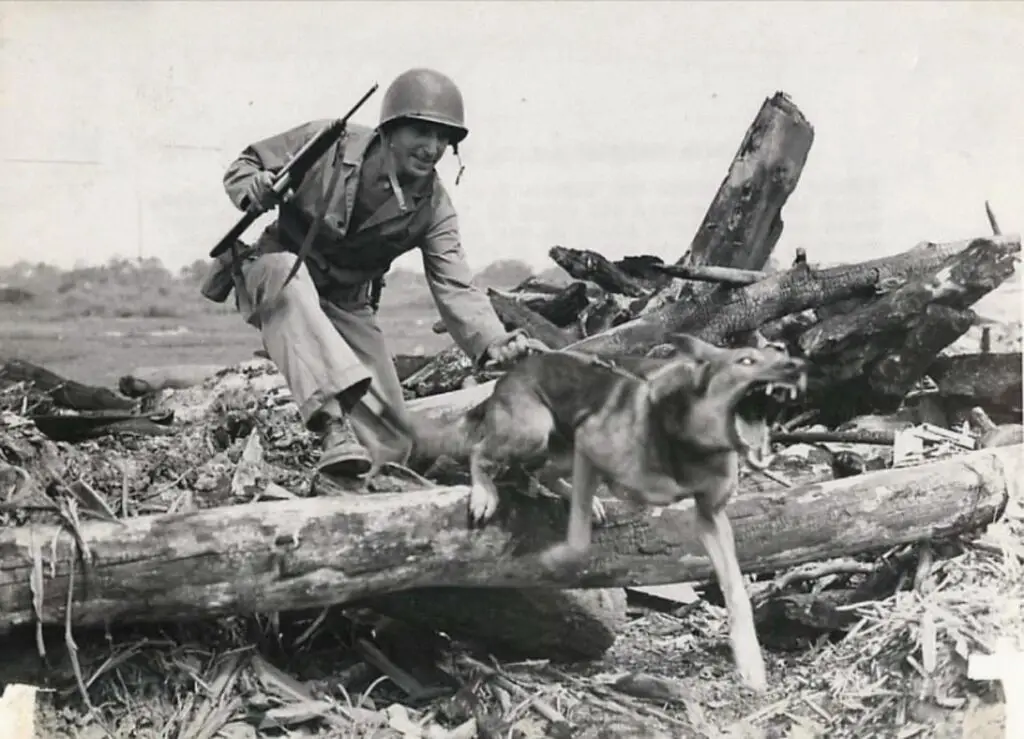
    Their intelligence and trainability made them highly sought after for various working roles. They were crucial as messenger dogs, sentries, and search and rescue dogs during World War I.


    German shepherd in world war

    Following the war, the German Shepherd’s reputation continued to grow in Germany and across the globe. Their versatility and adaptability made them a favourite choice for police work, tracking, and obedience competitions. Shepherd’s remarkable history is a testament to the power of human determination and the enduring bond between humans and dogs.

    German Shepherd: Characteristics

    The German Shepherd is a breed renowned for its distinctive characteristics that set it apart from other dogs. From their physical attributes to their temperament and working abilities, they possess a remarkable combination of traits that have made them one of the world’s most popular and respected breeds. Let’s talk about their physical and mental characteristics.

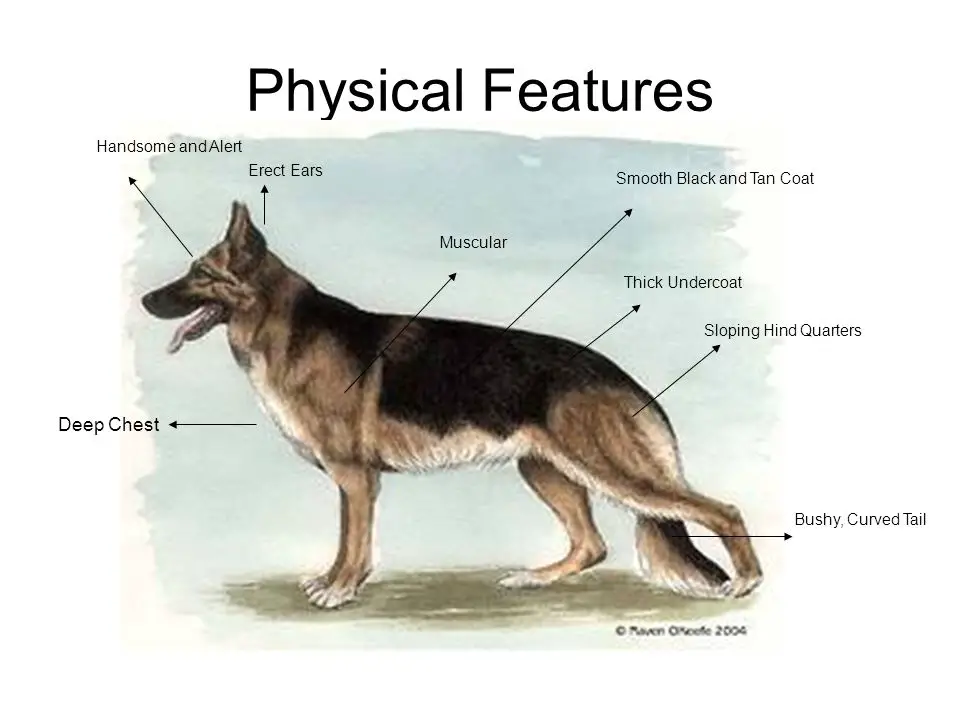
    German Shepherd Physical AppearancePhysical Appearance

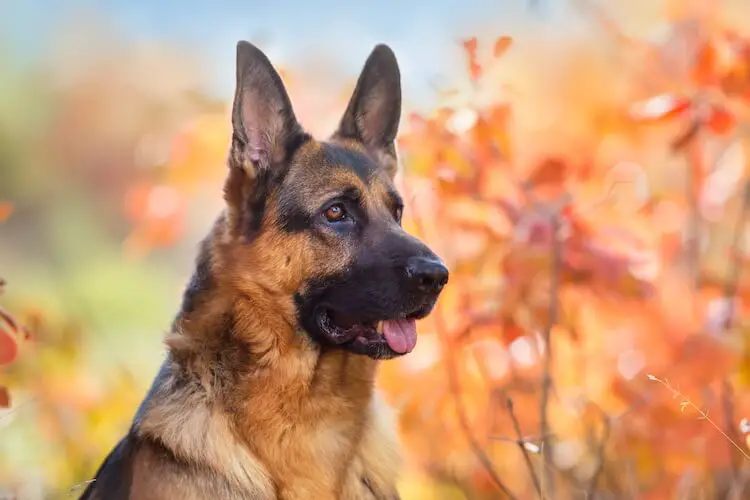
    German Shepherds have a strong and athletic build. They typically have a well-proportioned body, sturdy frame and muscular physique. Their deep chest and firm hindquarters allow them to excel in various physical tasks. One of the recognizable features of a Shepherd is its proud and alert expression, enhanced by its almond-shaped eyes and erect, attentive ears.

    Coat and Color

    The German Shepherd coat is double-layered, consisting of a dense outer coat and soft undercoat. This double coat provides insulation and protection from various weather conditions. German Shepherds comes in a variety of colours, with the most common being the classic black and tan combination. Other colour variations include sable, solid black, and black and red.

    Intelligence and Trainability

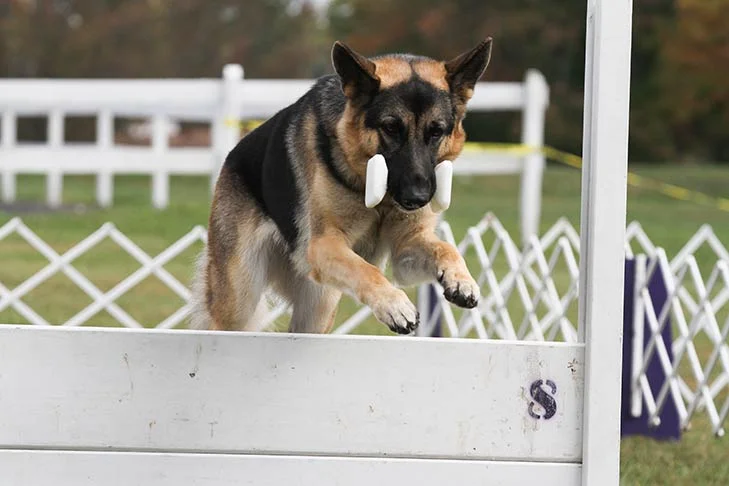
    German Shepherds are highly intelligent and possess exceptional trainability. They are quick learners and have strong desire to please their owners. Their intelligence lets them quickly pick up commands and tasks, making them highly adept at obedience training, agility, and various dog sports.

    They thrive when given mental stimulation and require consistent, positive reinforcement-based training methods. German Shepherd training includes basic commands like sit, run, stop, etc. Other than that, military training is also highly assigned. 

    Versatility

    One of the standout characteristics is their versatility. They excel in numerous roles and tasks due to their exceptional abilities and adaptability. German Shepherds have been successfully employed in various fields, such as police and military work, search and rescue operations, therapy work, and as service dogs. Their versatility makes them highly sought after for their working capabilities and ability to tackle different challenges.

    Loyalty and Protective Nature

    German Shepherds are known for their unwavering loyalty and protective instincts. They forms deep bonds with their families and are fiercely dedicated to their loved ones. German Shepherds are naturally inclined to protect and guard, making them excellent guard dogs and family protectors. While their loyalty and protective nature are admirable traits, proper training and socialization from an early age are essential to ensure they can differentiate between genuine threats and everyday situations.

    Family Companionship

    Family Companionship

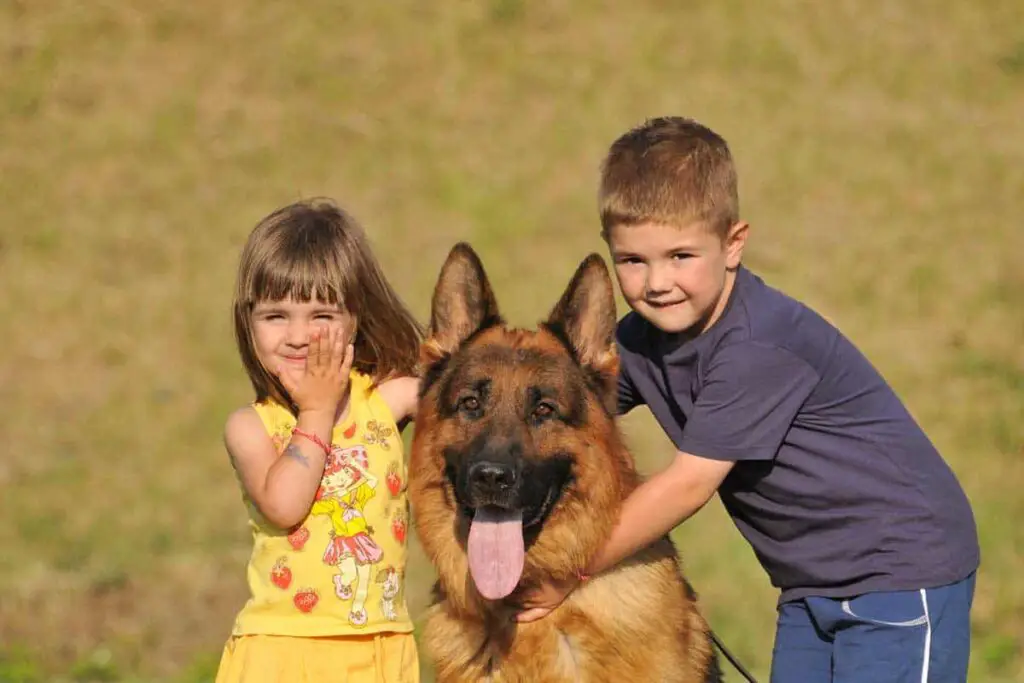
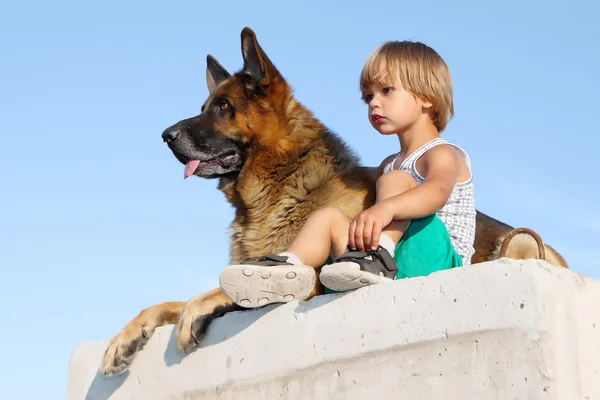
    Beyond their working abilities, German Shepherds can be loving and loyal family companions. With the proper upbringing and socialization, they can form strong bonds with children and get along well with other pets in the household. German Shepherds thrive in an environment where they are included in family activities, given mental and physical stimulation, and provided with a sense of purpose and belonging.
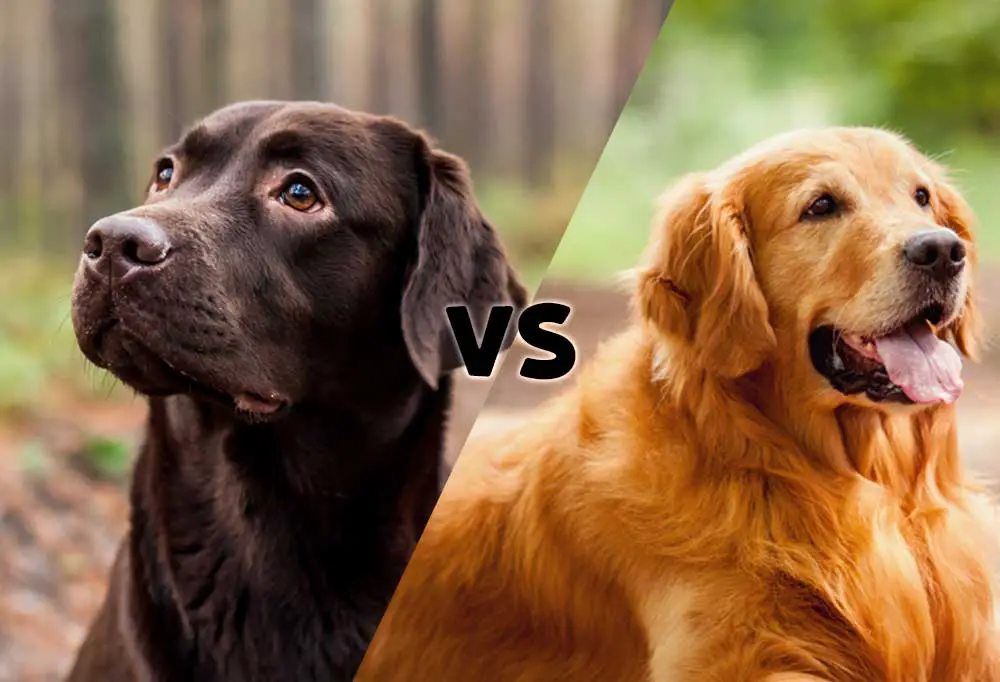
    Active and Energetic

    German Shepherds are an active and energetic breed, requiring regular exercise and mental stimulation to thrive. They have high energy levels and a strong work drive. Engaging them in activities such as daily walks, runs, and interactive play sessions help channel their energy in a positive and fulfilling way. Regular exercise also contributes to their overall physical and mental well-being. 

    German Shepherd overview, We cover every aspect of German Shepherd characteristics and their behaviour towards the owner and other people and how to correct any flaw. All this characteristics and its temperament decides the price for German Shepherd, for more details move to German shepherd price in India.

    German Shepherd Temperament

    The German Shepherd is known for its exceptional temperament, combining intelligence, loyalty, and an innate drive to work. This unique combination of traits has made the German Shepherd one of the world’s most popular and respected breeds. In German Shepherd Overview, we will explore the critical aspects of the German Shepherd’s temperament and what makes them truly special.

    Intelligence

    German Shepherds are brilliant dogs. They possess a sharp mind and a keen ability to learn and problem-solve. Their intelligence lets them quickly understand commands and tasks, making them highly trainable. German Shepherds thrive when given mental stimulation and enjoy engaging in activities challenging their intellect.

    German Shepherd Training

    Trainability

    The German Shepherd’s intelligence is closely tied to its trainability. They eager to please their owner and strong desire to work. This breed excels in obedience training, as they quickly grasp commands and are highly responsive to proper training methods. Breed is known for their versatility in various dog sports, such as agility, tracking, and competitive obedience.

    Loyalty

    Loyalty is a defining characteristic of the German Shepherd. They form deeps bond with their owners and are intensely dedicated to their families. They extends up to great lengths to protect and defend their loved ones. Their loyalty extends beyond their immediate family and often includes a strong loyalty towards their handlers and those who consider part of their pack.

    Protective Nature

    German Shepherds are instinctive to protection, making them excellent guard dogs and family protectors. They are vigilant and have an inherent ability to assess situations and react accordingly. While this protective nature is admirable, it is important to provide proper socialization and training to ensure that their protective instincts are directed appropriately and that they can differentiate between real threats and everyday situations.

    Confidence

    German Shepherds possess a confident and self-assured demeanour. This confidence contributes to their effectiveness as working dogs and allows them to tackle various tasks with determination and poise. It also makes them well-suited for search and rescue, police work, and military service. A well-bred and adequately socialized Shepherd will exhibit a stable and confident temperament in different environments.

    Playfulness and Bonding

    While GS are known for their working abilities, they also have a playful and fun-loving side. They enjoy interactive play sessions with their owners and thrive on the companionship and bonding from such activities. Regular playtime provides physical exercise and strengthens the emotional connection between the dog and owner.

    german shepherd playful

    Adaptability

    Shepherd’s are adaptable dogs that adjust well to various environments and lifestyles. They thrive in urban and rural settings if they receive adequate mental and physical stimulation. They are versatile and can adapt to different roles, whether working dogs, family companions, or therapy dogs.

    In short, the temperament of this breed is a blend of intelligence, loyalty, protectiveness, and confidence. Their remarkable trainability, versatility, loyalty, and protective nature make them exceptional working dogs and beloved family companions. When properly trained, socialized, and provided with the mental and physical stimulation they need, German Shepherds showcase their remarkable temperament and become remarkable companions in various aspects of life.

    Conclusion:

    Here we learned that this breed is with a rich history, distinctive characteristics, and remarkable temperament have made it a highly respected and sought-after breed. From its origins as a herding dog in 19th-century Germany to its widespread popularity today, this has proven to be an exceptional and versatile breed. The German Shepherd breed that has left an indelible mark on the canine world, whether serving in working roles or as loyal family companions, they continues to captivate hearts and demonstrate its exceptional qualities.

  • Labrador vs German Shepherd: Way 2 Get Better Breed – 2025

    Labrador vs German Shepherd: Way 2 Get Better Breed – 2025

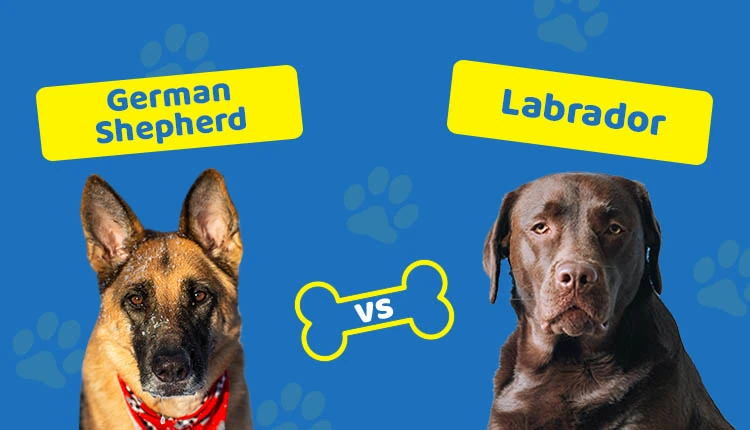
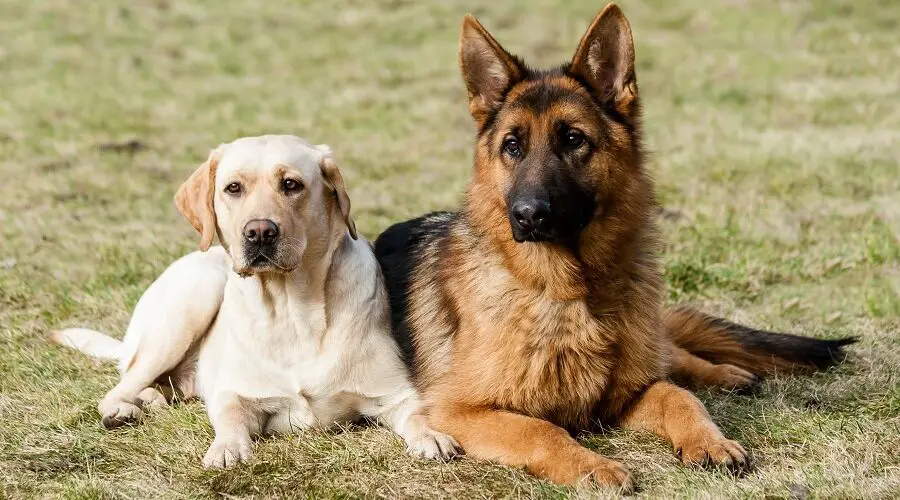
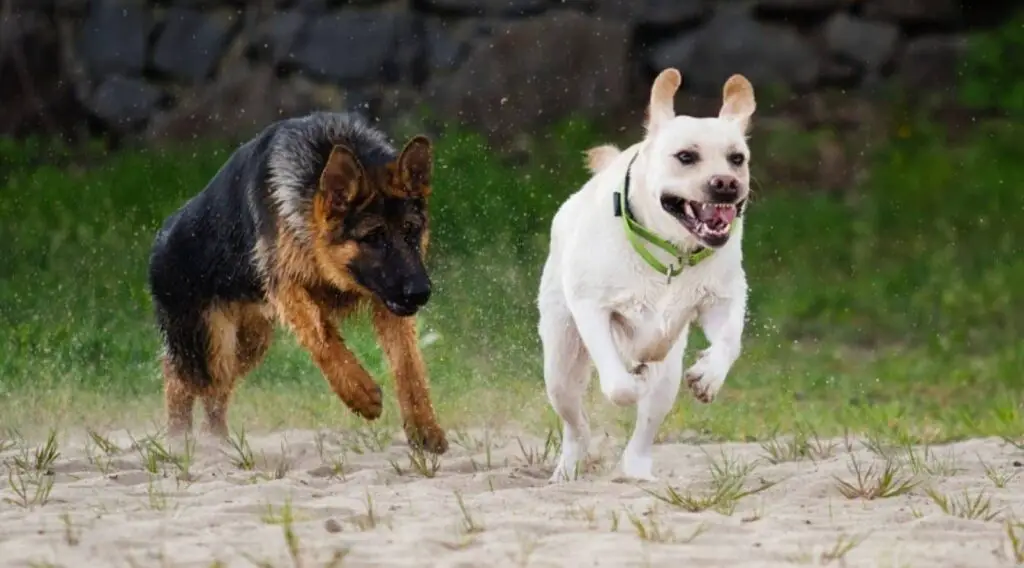
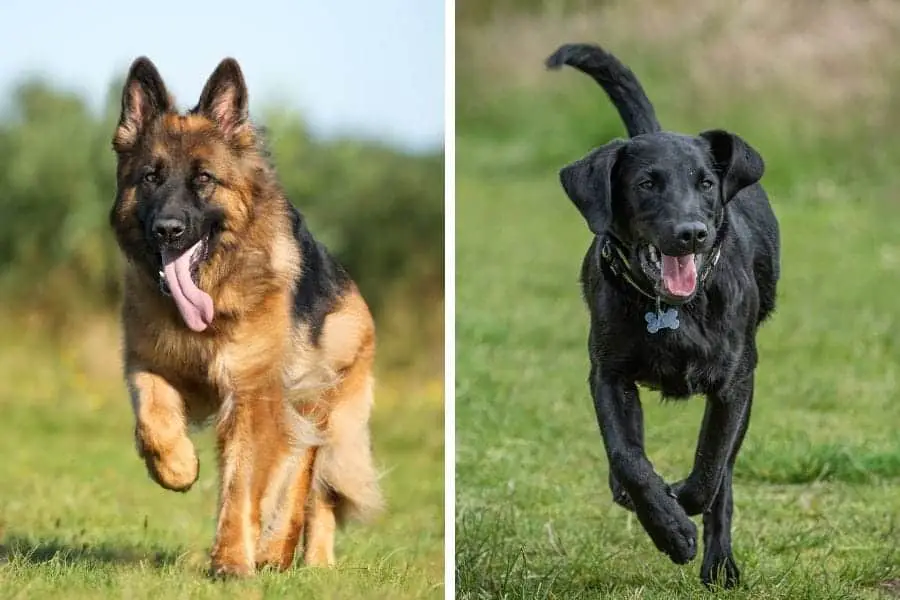
    As a dog lover, I am often asked which breed is better, Labrador or German Shepherd. Both breeds are very popular and have a loyal fan base. But, as an experienced dog owner, I can say that each breed has unique characteristics, which ultimately depend on your lifestyle and preferences. In this article, I will provide an in-depth comparison between Labrador and German Shepherd so that you can make an informed decision.

    Labrador vs German Shepherd: History

    Labrador vs German Shepherd

    Labrador and German Shepherds are excellent dog breeds with unique characteristics and traits. Ultimately, choosing between the two breeds depends on your lifestyle and preferences.

    The Labrador Retriever, often referred to as the Labrador or simply the Lab, has a rich history that dates back to the 18th century. The breed originated in Newfoundland, Canada, and was initially developed by fishermen and hunters.

    Labradors were bred to assist fishermen in retrieving fish that escaped from nets and to aid hunters in retrieving game birds. They possessed excellent swimming abilities and a gentle mouth for carrying the game without damaging it. The dogs that excelled in these tasks became the foundation of the Labrador breed we know Today.

    In the early 19th century, Labradors were introduced to England by English noblemen who visited Newfoundland. They were initially known as St. John’s Dogs or Lesser Newfoundland Dogs. The Earl of Malmesbury played a significant role in refining the breed and establishing its reputation.

    The German Shepherd, also known as the Alsatian, has a relatively more recent history than the Labrador. It was developed in the late 19th century by a German cavalry officer named Captain Max von Stephanitz.

    Captain von Stephanitz aimed to create a versatile working dog breed with intelligence, strength, and loyalty. He focused on breeding dogs that excelled in herding and guarding livestock. His efforts led to the development of the German Shepherd breed, which quickly gained recognition for its exceptional working abilities.

    Initially, German Shepherds were primarily used as herding dogs. However, their versatility and trainability soon caught the attention of the German military and police forces. They were employed in various roles, including search and rescue, tracking, and guarding.

    Labrador and German Shepherd: Appearance

    Labrador Retrievers:

    Labrador Apperance

    Size: Labradors are medium to large-sized dogs. Adult males typically stand between 22.5-24.5 inches (57-62 cm) at the shoulder, while females are slightly smaller, ranging from 21.5-23.5 inches (55-60 cm).

    Build: They have a strong and muscular build, deep chest, and sturdy frame. Labradors have a well-balanced body structure that allows them to be agile and athletic.

    Head: They have a broad and slightly rounded head with a well-defined stop (the area where the forehead meets the muzzle). Their muzzle is of moderate length and strong.

    Coat: Labradors have a short, dense, and water-resistant double coat. The outer coat is straight, while the undercoat is soft and insulating. They have a variety of coat colors, including yellow, chocolate, and black.

    Tail: They have a strong, thick, and otter-like tail, which helps them in swimming and acts as a rudder.

    German Shepherds:

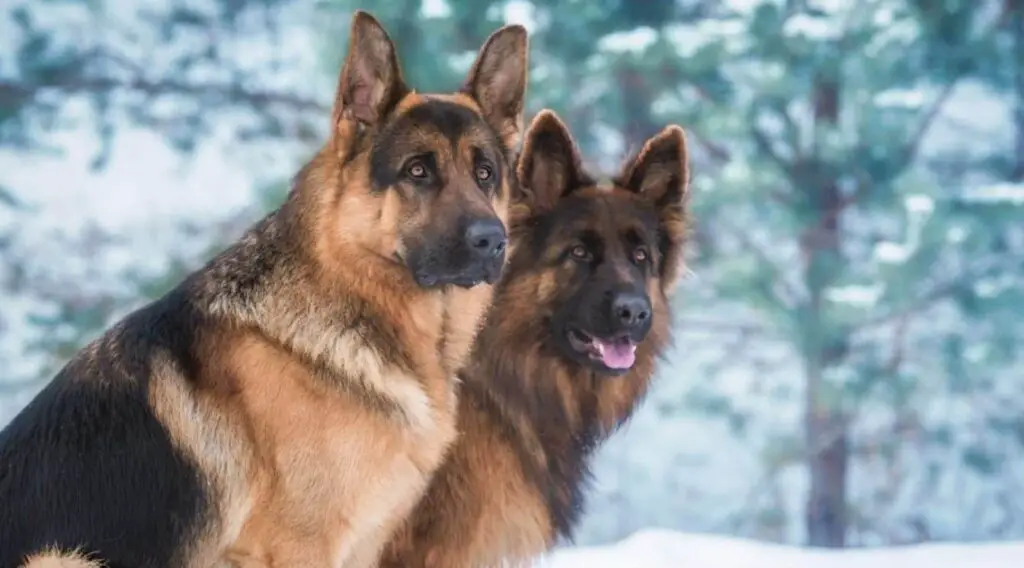
    German Shepherd Apperance

    Here we shortlisted some common appearances for German Shepherds. For full details, visit our German Shepherd Blog.

    Size: German Shepherds are large dogs. Adult males typically stand between 24-26 inches (60-65 cm) at the shoulder, while females are slightly smaller, ranging from 22-24 inches (55-60 cm).

    Build: They have a well-muscled, powerful, strong, and slightly elongated body. German Shepherds are known for their grace and agility.

    Head: They have a distinct and noble head shape. Their head is proportionate to their body, and they have a long and straight muzzle. German Shepherds have a well-defined stop.

    Coat: German Shepherds have a thick double coat that provides insulation. The outer coat is dense, straight, and harsh, while the undercoat is soft and dense. They are commonly seen in black and tan or black and red color variations.

    Tail: They have a bushy and slightly curved tail, which reaches down to their hock (the joint in the hind leg above the foot). The tail is carried low when at rest but is raised when they are alert or in motion.

    Temperament

    The temperament of the Labrador Retriever and German Shepherd makes them an excellent breed for various roles, including as family pets, working dogs, and companion animals. Their friendly and gentle nature, loyalty, and intelligence make them popular with many dog owners.

    Labrador and German Shepherd Temperament

    Labradors are known for their friendly and outgoing nature. They are typically good-natured, friendly, and enjoy being around people. They are generally gentle and patient, making them excellent family dogs, especially for households with children. Labradors often have a calm and tolerant demeanor.

    Labradors have a strong desire to please their owners. They are highly trainable and respond well to positive reinforcement methods. They have a playful and lively nature. Labradors have a lot of energy and require regular exercise to stimulate them physically and mentally. The Detailed descriptive blog is given about the Temperament of the Labrador.

    Labradors are known for their affectionate nature. They often form strong bonds with their family members and enjoy being part of family activities. Labradors are generally welcoming and friendly toward strangers. They may not possess the same level of territorial instinct as some other breeds.

    German Shepherds are highly intelligent dogs known for their loyalty and devotion to their families. They form strong bonds with their owners and are often protective of them. They have a confident and self-assured demeanor. German Shepherds are often used as working dogs for their courage and ability to handle various tasks.

    German Shepherds naturally tend to be watchful and alert, making them excellent guard dogs. They quickly detect potential threats and naturally protect their territory and loved ones. They are highly trainable and excel in obedience training. German Shepherds can learn complex tasks and are often utilized in police, military, or search and rescue work.

    German Shepherds have a lot of energy and require regular physical exercise and mental stimulation. They enjoy jogging, playing fetch, and engaging in challenging tasks. German Shepherds can be aloof and reserved with strangers. They tend to be cautious and may take time to warm up to new people. Proper socialization from an early age is important to ensure they are well-adjusted and friendly in different situations.

    Cost

    Cost for Labrador and german Shepherd

    In Today’s world, the cost of the Dog breed is vastly divided in many ways. One of the reasons is the organization and rescue operation from which you can adopt the Labrador and German Shepherd and any other dog breed at a cheaper price with standard certification.

    Labrador:

    The cost of a Labrador in India can vary depending on several factors, such as the breeder’s reputation, location, lineage, and the quality of the puppy. You can expect to find Labrador puppies in India ranging from ₹8,000 to ₹30,000 or more. The price may be higher for puppies from well-known breeders or those with exceptional pedigrees.

    However, it’s essential to remember that the initial purchase price is only one aspect of the expenses involved in owning a Labrador. There are additional costs for veterinary care, vaccinations, food, grooming, training, and other supplies throughout their life.

    When considering purchasing a Labrador in India, it’s crucial to conduct thorough research, visit reputable breeders, and ensure that the puppies are healthy, well-socialized, and come from responsible breeders who prioritize the welfare of the dogs. Labrador Price Blog is presented on our site.

    German Shepherd:

    On average, you can expect to find German Shepherd puppies in India ranging from ₹12,000 to ₹40,000 or more. The price may be higher for puppies from well-known breeders or those with exceptional pedigrees.

    When considering purchasing a German Shepherd in India, it’s crucial to conduct thorough research, visit reputable breeders, and ensure that the puppies are healthy, well-socialized, and come from responsible breeders who prioritize the welfare of the dogs.

    Health Issues

    Health issues for Labrador and German Shepherd

    Labrador:

    Labradors can be susceptible to these orthopedic conditions where the hip or elbow joints do not develop properly, leading to pain and mobility issues. Labradors tend to overeat, which can contribute to obesity. Obesity can lead to various health problems, including joint issues, heart disease, and diabetes.

    Progressive Retinal Atrophy (PRA) is a genetic eye disorder that can lead to progressive vision loss and eventual blindness in Labradors. Exercise-Induced Collapse (EIC) Some Labradors may experience EIC, a condition where strenuous exercise or excitement can lead to loss of muscle control and weakness.

    German Shepherd:

    Like Labradors, German Shepherds are susceptible to these Hip and Elbow Dysplasia orthopedic conditions.

    Gastric Dilatation-Volvulus (GDV) Also known as bloat, GDV is a serious condition where the stomach becomes distended and may twist, leading to potentially life-threatening consequences. German Shepherds have a higher risk compared to some other breeds.

    Degenerative Myelopathy (DM) DM is a progressive neurological disorder that affects the spinal cord, leading to decreased coordination and muscle weakness.

    Exocrine Pancreatic Insufficiency (EPI) German Shepherds may have reduced pancreatic enzyme production, resulting in difficulties digesting and absorbing nutrients. Dermatological Issues German Shepherds can be prone to various skin conditions, including allergies, hot spots, and bacterial or fungal infections.

    FAQs about Labrador vs German Shepherd

    Which breed is more suitable for families?

    Both Labrador Retrievers and German Shepherds can make excellent family pets. Labradors are known for their friendly and sociable nature, making them great with children and other pets. German Shepherds are also loyal and protective, making them good family companions, especially when properly trained and socialized. For More details, visit Everything you need to Know about Labrador.

    Which breed requires more exercise?

    Both breeds are active and require regular exercise to stimulate them physically and mentally. Labradors are generally known for their high energy levels and love for activities such as swimming and retrieving. German Shepherds are energetic and need regular exercise, including walks, runs, and play sessions.

    Which breed is easier to train?

    Both breeds are intelligent and trainable, but there can be slight differences in their training needs. Labradors tend to be highly food-motivated and eager to please, making them relatively easier to train. German Shepherds are also intelligent and trainable but may require consistent and firm guidance due to their strong will and protective instincts. The Whole training guide is given as Labrador Training.

    Which breed has a better-guarding instinct?

    German Shepherds are known for their natural guarding instincts and are often used in police and security roles. They are typically more protective of their families and property. Labradors, on the other hand, may not have the same level of guarding instinct but can still alert their owners to potential dangers.

    Which breed is more prone to health issues?

    As mentioned earlier, both breeds have certain health issues they can be prone to. However, the prevalence and severity of these conditions can vary among individuals and bloodlines. It’s important to choose a reputable breeder who prioritizes their breeding stock’s health and genetic testing to minimize the risk of inherited health problems.

    Conclusion:

    Labrador Retrievers, or German Shepherds, are better is subjective and depends on individual preferences. Both breeds have their unique qualities and strengths. Labradors are friendly, pleasant, and well-suited for families, while German Shepherds are intelligent, loyal, and protective. The choice between the two breeds should consider lifestyle, training requirements, exercise needs, and personal compatibility. It is advisable to spend time with both breeds, conduct thorough research, and make an informed decision based on individual circumstances and preferences.

  • Labrador Cost of Ownership in India: A Comprehensive Guide

    Labrador Cost of Ownership in India: A Comprehensive Guide

    Before bringing home a Labrador, it is crucial to understand the cost of ownership associated with this breed. Beyond the initial purchase price, there are several factors to consider, including food, healthcare, grooming, training, and other miscellaneous expenses. This comprehensive guide aims to provide insights into the financial responsibilities of owning a Labrador in India, enabling you to make an informed decision and provide the best care for your furry friend.

    Labrador ownership

    Initial Labrador Cost of Ownership

    The initial cost of purchasing a Labrador puppy in India can vary based on factors such as the puppy’s lineage, breeder reputation, and location. Labrador puppies can range from ₹15,000 to ₹35,000 or more.

    However, it is essential to note that the price can vary significantly depending on the quality of the breed and the breeder’s reputation. It is crucial to find a reputable breeder who prioritizes the health and well-being of the puppies, as this can help avoid potential genetic issues in the future.

    Additionally, you must invest in essential supplies such as a collar, leash, food and water bowls, crate or bed, toys, and grooming tools. Depending on the quality and brand preferences, these initial setup costs can range from ₹2,000 to ₹5,000 or more.

    The Detailed blog about is given on our site visit to What is the cost of Labrador dog in India?

    Reasons to Own Labrador

    Reasons:

    There are several for Buying the Labrador but before that you have to know all about the Labrador charactertics, temperament and its features. Here, below there are some of the reasons to buy Labrador.

    Friendly and Gentle Nature: Labradors are known for their friendly and gentle nature. They are generally good-natured and sociable, making them excellent family pets.

    Excellent Companionship: Labradors are highly affectionate and devoted to their owners. They are known for their loyalty and often form strong bonds with their owners, providing companionship and emotional support.

    Playful and Energetic: Labradors have a playful and energetic disposition, making them excellent companions for active individuals or families. They love outdoor activities, such as playing fetch, swimming, and going on long walks or hikes. Their energy and enthusiasm can help motivate their owners to engage in physical exercise and lead an active lifestyle.

    Intelligent and Trainable: Labradors are intelligent and highly trainable dogs. Labradors excel in obedience training, agility, and various dog sports. Their intelligence and trainability make them versatile and adaptable to different training activities and tasks.

    Versatile Working Dogs: Labradors are renowned for their versatility in various working roles. They are commonly employed as service dogs, therapy dogs, search and rescue dogs, guide dogs for the visually impaired, and assistance dogs for individuals with disabilities.

    Low Maintenance Coat: Labradors have a short, dense, and water-resistant coat, which requires relatively low maintenance. Labradors are moderate shedders, which makes them suitable for individuals or families who prefer a dog breed with minimal grooming needs.

    Social and Outgoing: Labradors are typically social dogs that enjoy being around people and other animals. Their friendly nature and outgoing personality make them well-suited for social interactions and various social environments.

    Aesthetically Pleasing: Labradors are undeniably adorable and aesthetically pleasing dogs. With their expressive eyes, soft and shiny coat, and friendly facial expressions, they often captivate the hearts of many dog lovers. Their appearance, combined with their charming personality, adds to their appeal as beloved pet.

    Easy to bond: Labrador are easily bonded dog breed they bond with other dogs easily and connects with the humans with good manners.

    Best Guard Dog Breed: Labrador is one of the best Guard dog, which also uses in many others government organizations and they also said as the guardian of the house.

    Food and Nutrition

    Diet and nutrition for labrador

    A balanced and nutritious diet is essential for your Labrador’s overall health and well-being. The monthly cost of dog food can vary depending on your Labrador’s brand, size, and age. The Labrador eats foods by following some principal, for getting knowledge about that principal visit here.

    On average, you can expect to spend around ₹2,000 to ₹4,000 monthly on high-quality dog food. Choosing a reputable brand that offers complete and balanced nutrition for your Labrador’s specific life stage is essential.

    Labradors are active dogs and may have specific dietary requirements based on age and activity level. It is advisable to consult with a veterinarian to determine the appropriate diet plan for your Labrador and ensure they receive the necessary nutrients. For more details visit to Daily nutrition and food items for Labrador.

    Veterinary Care

    Veteran Care

    Regular veterinary care is crucial for maintaining your Labrador’s health and preventing potential health issues. The cost of veterinary care in India may vary based on location and the specific services required. Initial vaccinations, deworming, and routine check-ups can cost approximately ₹2,000 to ₹5,000 per year.

    Labradors are prone to certain health conditions, including hip and elbow dysplasia, obesity, and eye problems. Budgeting for potential health issues that may arise over the years is essential.

    Costs for diagnostic tests, medications, surgeries, or specialized treatments can vary significantly based on the severity of the condition. It is recommended to set aside an emergency fund for unexpected veterinary expenses.

    Grooming and Maintenance

    Grooming and Maintenance of Labrador

    Labradors have a dense double coat that requires regular grooming to keep it healthy and free from mats. Grooming costs include regular brushing, bathing, and occasional professional grooming sessions.

    Generally, grooming expenses can range from ₹500 to ₹1,500 per month, which includes Nail trims, ear cleaning, and dental care are essential for Labrador maintenance.

    Regular dental check-ups and cleanings are essential for maintaining your Labrador’s oral hygiene. You can either learn to perform these tasks yourself or allocate additional funds for professional grooming services. For more detail visit grooming your Labrador.

    Training and Socialization

    Training and socialisation for Labrador

    Labradors are intelligent and trainable dogs, but they require proper training and socialization from an early age. Investing in obedience classes or hiring a professional trainer can be beneficial, especially for first-time Labrador owners.

    The cost of training can vary depending on the program, location, and individual needs, ranging from ₹5,000 to ₹20,000 or more.

    Socialization is also crucial for a Labrador’s development. Exposure to environments, people, and animals ensures they become well-adjusted and confident dogs. This can involve costs for park visits, puppy playdates, and training sessions focused on socializing your Labrador.

    Toys and Stuff

    Toys for Labrador

    The cost of toys for Labradors in India can vary depending on the toy’s type, size, and brand. Here are some general estimates:

    Chew Toys: Chew toys are essential for Labradors, as they help satisfy their natural chewing instincts and prevent destructive chewing behaviour. The cost of chew toys can range from INR 200 to INR 1,000, depending on the material and durability.

    Interactive Toys: Interactive toys, such as a puzzle or treat-dispensing toys, provide mental stimulation for Labradors. Depending on their complexity and quality, these toys usually cost between INR 500 to INR 2,000.

    Plush Toys: Plush toys are soft, cuddly toys that Labradors enjoy carrying around or snuggling with. The cost of plush toys can range from INR 200 to INR 1,000, depending on the size and brand.

    Balls and Retrieving Toys: Labradors love playing fetch, so having balls and retrieving toys is a great way to keep them active. Tennis balls or rubber retrieving toys can cost around INR 100 to INR 500, depending on the quality and brand.

    Tug Toys: Tug toys are sturdy toys designed for interactive play and tugging games with your Labrador. The cost of tug toys typically ranges from INR 200 to INR 800, depending on the material and durability.

    Miscellaneous Expenses

    In addition to the core costs mentioned above, there are other miscellaneous expenses to consider. This can include licensing fees, pet insurance, toys, treats, regular check-ups, vaccinations, and preventive medications. Licensing fees can vary depending on your city or municipality’s regulations.

    Pet insurance is an optional but beneficial expense that can help mitigate unexpected veterinary costs. Researching different insurance providers and choosing a plan that suits your Labrador’s needs and budget is essential.

    Regular check-ups, vaccinations, and preventive medications such as flea and tick preventives are necessary to keep your Labrador healthy. 

    These costs can add up over the years and should be factored into your budget.

    Additionally, you may need to consider costs for pet boarding or daycare services when you are away or unable to take care of your Labrador. Choosing reputable and reliable boarding facilities that ensure your Labrador’s comfort and safety is advisable.

    FAQs about Labrador Ownership Cost

    Q: How much does it cost to feed a Labrador in India? 

    A: The cost of feeding a Labrador in India depends on factors such as the quality and brand of dog food chosen, the size and age of the dog, and its activity level. You can expect to spend between INR 2,000 to INR 4,000 monthly on dog food for a Labrador.

    Q: Are there any additional costs associated with Labrador ownership in India? 

    A: Yes, apart from the basic expenses, additional costs should be considered. These may include vaccinations and medical treatments, grooming supplies, training and socialization classes, toys and accessories, license and registration fees, pet insurance, and miscellaneous flea and tick prevention and boarding costs.

    Q: Is it necessary to groom a Labrador regularly, and how much does it cost? 

    A: Regular grooming is important for Labradors to maintain a healthy coat and skin. They should be brushed regularly, and occasional baths are necessary. Grooming costs can vary based on whether you groom your Labrador at home or take them to a professional groomer. The average cost of grooming, including supplies, can range from INR 2,000 to INR 4,000 per year.

    Q: Are Labradors prone to specific health issues, and how much do veterinary expenses cost in India? 

    A: Labradors can be prone to specific health issues such as hip and elbow dysplasia, obesity, and eye problems. Regular veterinary check-ups, vaccinations, and preventive medications are necessary to keep them healthy. Veterinary expenses can vary based on the services required and the veterinarian’s fees. You can expect to spend between INR 3,000 to INR 6,000 per year on veterinary expenses for a Labrador.

    Q: Are there any ongoing training expenses for Labradors? 

    A: Training is an essential aspect of Labrador ownership. While some basic training can be done at home, professional training classes or hiring a dog trainer may be necessary for more advanced training. Training expenses can range from INR 5,000 to INR 15,000, depending on the type and duration of the training.

    Q: Are there any specific legal requirements or restrictions for owning a Labrador in India? 

    A: Most parts of India have no specific legal requirements or restrictions for owning a Labrador. However, checking local regulations and bylaws regarding dog ownership, licensing, and leash laws in your area is always advisable.

    Q: Is pet insurance recommended for Labrador owners in India? 

    A: Pet insurance is not mandatory but can be beneficial in covering unexpected veterinary expenses. It is recommended to explore different pet insurance options available in India and choose a policy that suits Labrador’s needs and your budget. Some of the insurance trending policy are shorted so for further knowledge visit here.

    Q: Are there any rescue organizations or shelters in India that offer Labradors for adoption? 

    A: Several rescue organizations and shelters in India have Labradors available for adoption. These organizations often have a screening process to ensure the dogs’ well-being and match them with suitable adoptive families. For organizations information click to our organization blog.

  • Labrador vs Golden Retriever: Which Is Right for You?

    Labrador vs Golden Retriever: Which Is Right for You?

    Choosing the right dog breed for your family can be a tough decision. Two popular breeds often compared are the Labrador Retriever and Golden Retriever. Both breeds are known for their friendly nature and loyalty, but some differences may make one more suitable for your lifestyle than the other. This article will compare Labrador vs Golden Retriever to help you decide which breed is right.

    History Labrador vs Golden Retriever

    Labrador vs Golden Retriever: History

    Golden Retrievers and Labrador are two of the most popular dog breeds in the world, known for their friendly personalities and trainability. Here is a brief history of both breeds:

    Golden Retrievers

    The Golden Retriever breed originated in Scotland in the mid-19th century. In the 1800s, there was a need for a hunting dog that could retrieve game on land and in water. This led to the Golden Retriever’s development by crossing various breeds, including the Tweed Water Spaniel, Irish Setter, and the Newfoundland.

    The American Kennel Club (AKC) recognized the Golden Retriever in 1925, and it quickly became popular in the United States. They were used primarily as hunting dogs and later as guide dogs for blind people, therapy dogs, and search and rescue dogs.

    Labrador Retrievers

    The Labrador Retriever breed originated in Newfoundland, Canada, in the early 1800s. They were developed by crossing water dog breeds and used primarily for fishing and hunting. The breed was recognized by the AKC in 1917.

    During World War II, the Labrador Retriever gained popularity in the United States as a search and rescue dog and soon became one of the most popular breeds in the country. Today, they are used for various purposes, including as assistance dogs for people with disabilities, as therapy dogs, and as loyal family pets.

    Golden Retrievers and Labrador Retrievers have a rich history and have become beloved pets and working dogs worldwide. Their friendly personalities, trainability, and loyalty have made them popular choices for families and individuals.


    differences between Labrador and Golden Retriever

    What are the differences between Labrador and Golden Retriever?

    The main difference between Golden Retrievers and Labradors is their Temperament and energy level. Golden Retrievers tend to be more laid-back and gentle, while Labradors are generally more outgoing and energetic.

    Golden Retrievers are known for their calm and loving nature, making them a great choice for families with children or seniors who prefer a quieter lifestyle. They are loyal and affectionate companions who are always eager to please their owners.

    Labradors, on the other hand, are known for their high energy and enthusiasm. They love to run, swim and play and require plenty of exercises and mental stimulation to stay happy and healthy. They are outgoing and friendly, making them a great choice for active individuals or families who enjoy outdoor activities.

    Another difference between these breeds is their coat. Golden Retrievers have a long, thick coat that requires regular grooming to prevent matting and tangling. Labradors have a shorter, denser coat that sheds less and is easier to maintain.

    While both breeds are highly intelligent and easy to train, Labradors are often used as service dogs, search and rescue dogs, and law enforcement due to their exceptional trainability. Golden Retrievers are also highly trainable and are often used as therapy dogs due to their gentle and calm nature.

    The main difference between Golden Retrievers and Labradors is their Temperament and energy level. Both breeds make wonderful pets and companions, but choosing a breed that fits your lifestyle and personality is important.

    Similarities between a golden retriever and Labrador:

    Similarities between a golden retriever and Labrador

    Golden Retrievers and Labradors share many similarities, making it easy to see why they are often compared. Here are some similarities between the two breeds:

    • Both Golden Retrievers and Labradors are highly intelligent and easy to train. They are eager to please their owners and respond well to positive reinforcement training.
    • Both breeds are known for their friendly and affectionate nature. They love spending time with their families and enjoy cuddling and getting attention.
    • Golden Retrievers and Labradors are great with children, making them popular family pets. They are patient and gentle and love to play with kids.
    • Both breeds have a lot of energy and require regular exercise to stay healthy and happy. They enjoy activities like running, swimming, and playing fetch.
    • Golden Retrievers and Labradors are outgoing and friendly with people and other dogs. They make great companions for families, individuals, and other pets.
    • Both breeds shed moderately to heavily, especially during shedding season. Regular grooming can help to keep shedding under control.

    Labrador vs Golden Retriever: Size

    Size Labrador vs Golden Retriever

    When it comes to size, there is not a significant difference between Labradors and Golden Retrievers. Both breeds are considered medium to large dogs, with males being larger than females.

    On average, Labrador Retrievers stand between 22 to 24 inches (56-61 cm) tall at the shoulder and weigh 55 to 80 pounds (25-36 kg). Male Labradors are typically larger than females, weighing between 65 and 80 pounds (29-36 kg), while females typically weigh between 55 and 70 pounds (25-32 kg).

    Golden Retrievers are slightly taller than Labradors, with an average height between 23 to 24 inches (58-61 cm) at the shoulder. They also weigh between 55 to 75 pounds (25-34 kg), with males being larger than females. Male Golden Retrievers typically weigh between 65 and 75 pounds (29-34 kg), while females weigh between 55 and 65 pounds (25-29 kg).

    It’s worth noting that each breed can vary in size, with some individuals being larger or smaller than the average. 

    In terms of physical appearance, both breeds have a muscular and athletic build, with broad heads and strong jaws. They have short, dense fur that requires regular grooming to prevent matting and shedding.

    Labrador vs Golden Retriever: Grooming

    Grooming Labrador and Golden Retriever

    Labrador Retrievers and Golden Retrievers have a dense, double coat that sheds seasonally, meaning they require regular grooming to keep their coats healthy and free of mats and tangles.

    Labrador Retrievers have short, dense coat that is easy to maintain. They require weekly brushing with a slicker brush to remove loose hair and prevent mats. Labradors are prone to shedding, especially during seasonal changes, so brushing them is important to prevent excessive shedding.

    Golden Retrievers have longer, wavier hair that requires more maintenance than Labradors. They also need regular grooming, including bathing, to keep their coat shiny and healthy. Golden Retrievers are also prone to shedding, so brushing them is important to prevent mats and excess shedding.

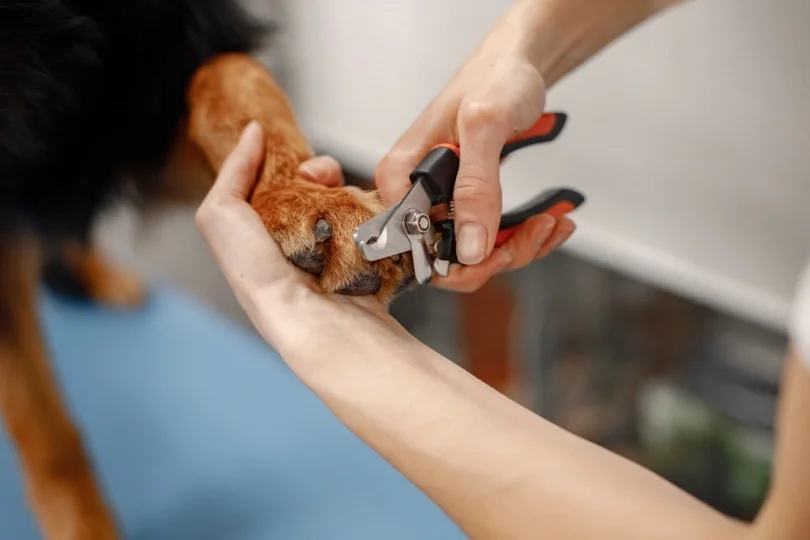
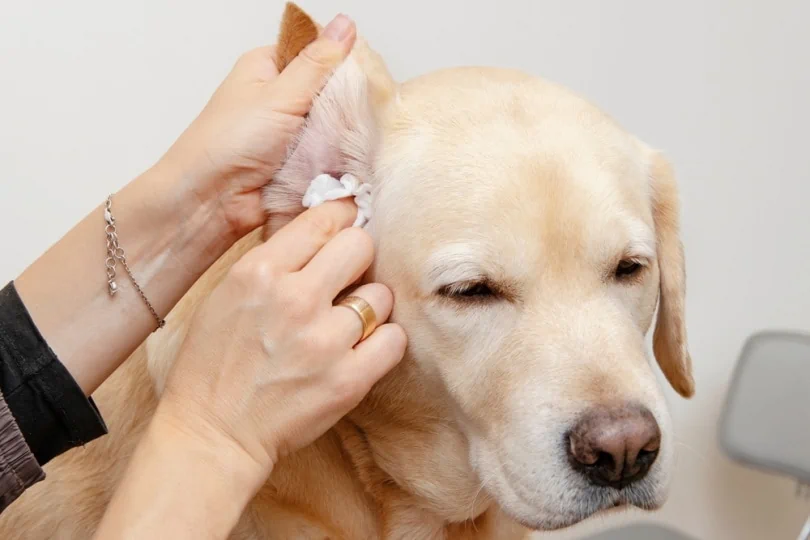
    Both breeds require regular ear cleaning and nail trimming to maintain good hygiene. Their ears should be checked weekly and cleaned as needed to prevent infections. Their nails should be trimmed regularly to prevent overgrowth and discomfort.

    It’s also important to clean their teeth by providing dental chews and brushing them regularly. This can help prevent dental issues and keep their breath fresh. Visit our post for Labrador grooming tips and tricks.

    Golden Retriever vs Labrador: Appearance

    Appearance Golden Retriever vs Labrador

    Golden Retrievers and Labrador Retrievers are popular dog breeds known for their friendly personalities and loyalty. While similarities, there are also some noticeable differences in their appearance.

    Golden Retrievers typically have a longer and wavier coat than Labradors, ranging from light golden to deep reddish gold. They have feathery hair on their chest, tail, legs, and ears, which gives them a luxurious appearance. Their eyes are usually brown or amber, with floppy ears hanging down.

    On the other hand, Labrador Retrievers appearance have short, dense coat that comes in black, chocolate, and yellow. Their coat is straight and shiny, and they have a strong and muscular build. They have broad heads with friendly, intelligent eyes that are usually brown or hazel. Their ears are also floppy and hang down, but they are shorter than those of Golden Retrievers.

    Overall, while there are some differences in appearance between Golden Retrievers and Labrador Retrievers, both breeds are known for their handsome and charming looks. Their friendly and loyal personalities are what truly make their beloved family pets.

    Golden Retriever vs Labrador: Temperament

    Golden Retrievers and Labrador are two of the most popular dog breeds in the world, known for their friendly and affectionate temperaments. While both breeds share many similarities in personality, there are some differences in their Temperament.

    Golden Retrievers are famous for their outgoing and friendly nature, which makes them excellent family dogs. They are affectionate and love to be around people, and are known to be great with children. They are also very intelligent and eager to please, which makes them easy to train. However, they can sometimes be too friendly and may not make the best guard dogs.

    Labrador Retrievers are also known for their friendly personalities and are often described as loyal and obedient. They are also highly intelligent and easy to train, which makes them a popular choice for service dog work. They are generally good with children but can be more reserved than Golden Retrievers when meeting new people.

    Both breeds are highly active and require regular exercise and mental stimulation. They also tend to chew, so providing them with plenty of chew toys is important to prevent destructive behaviour.

    Golden Retrievers and Labrador Retrievers make wonderful family pets with their friendly and loyal personalities. The decision between the two ultimately comes down to personal preference and lifestyle factors such as activity level and living arrangements.

    Health Problems in Golden Retrievers vs Labradors

    Golden Retrievers and Labrador Retrievers are generally healthy breeds, but like all dogs, they can be prone to certain health problems. Here are some common health issues that can affect each breed:

    Golden Retrievers:

    •  Hip dysplasia: This genetic condition in which the hip joint doesn’t fit properly, leading to pain and arthritis.
    •  Elbow dysplasia: A similar condition to hip dysplasia, but affecting the elbow joint instead.

    •  Cancer: Golden Retrievers have a higher incidence of cancer than many other breeds, particularly lymphoma.

    •  Progressive retinal atrophy: This degenerative eye disease can lead to blindness.
    • Subvalvular aortic stenosis: This heart condition affects blood flow to the body.

    Labrador Retrievers:

    • Hip and elbow dysplasia: Like Golden Retrievers, Labradors can also be prone to joint problems.
    • Exercise-induced collapse: This condition in which the dog collapses after intense exercise, often due to a genetic mutation.
    • Obesity: Labradors tend to gain weight, leading to other health problems such as diabetes and joint issues.
    • Progressive retinal atrophy: As with Golden Retrievers, Labradors can also be affected by this eye disease.
    • Ear infections: Labradors have floppy ears that can trap moisture and bacteria, leading to ear infections.

    Labrador vs Golden Retriever: Price

    The price of a Labrador Retriever or Golden Retriever in India can vary depending on various factors such as the breeder, location, and lineage of the dog. Generally, Golden Retrievers are slightly more expensive than Labrador Retrievers due to their popularity and demand.

    In India, the cost of a Labrador Retriever puppy can range from ₹5,000 to ₹25,000 or more, depending on the abovementioned factors. Meanwhile, the price of a Golden Retriever puppy can range from ₹10,000 to ₹35,000 or more.

    It’s important to note that purchasing a puppy from a reputable breeder can be more expensive, but it ensures that the puppy comes from a healthy and well-cared-for lineage. It’s also important to consider the ongoing costs of owning a dog, such as veterinary care, food, and supplies.

    FAQs about Labrador vs Golden Retriever

    What is the difference between a Labrador and a Golden Retriever?

    Labrador Retrievers and Golden Retrievers have some similarities, such as their friendly and social personalities, but there are also some key differences. For example, Golden Retrievers are typically more outgoing and vocal, while Labradors are known for their loyalty and intelligence.

    Which breed is easier to train, a Labrador or a Golden Retriever? 

    Both breeds are intelligent and respond well to training, but Labradors are generally considered easier to train due to their high intelligence and eagerness to please their owners.

    Are Labrador Retrievers or Golden Retrievers better with kids? 

    Both breeds are great with kids and are known for their friendly and gentle personalities. However, Golden Retrievers are often considered better with very young children due to their patience and calm Temperament.

    Which breed sheds more, a Labrador or a Golden Retriever? 

    Both breeds are moderate to heavy shedders, but Golden Retrievers tend to have long hair that requires more grooming so that they may shed slightly more.

    Do Labrador Retrievers or Golden Retrievers have more health problems? Both breeds are generally healthy but prone to certain health issues such as hip and elbow dysplasia, obesity, and eye problems. Working with a reputable breeder and providing your dog with proper veterinary care is important to minimize health risks.

    Which breed makes a better family pet, a Labrador or a Golden Retriever? Both breeds make great family pets, but the choice ultimately depends on your lifestyle and preferences. Labradors may be better suited for families with an active lifestyle and need a versatile dog. At the same time, Golden Retrievers may be better for families with young children or those seeking a more outgoing and affectionate companion.

  • Labrador Food in India: What to Feed Your Furry Friend

    Labrador Food in India: What to Feed Your Furry Friend

    Labrador Foods has different variations and different nutrition items in every product according to their specifications. When feeding your Labrador, ensuring they get all the nutrients needs to stay healthy and active is important. This article will discuss Labrador food in India and the best options for keeping your furry friend healthy.

    best food for the Labrador

    Which is the best food for the Labrador?

    Regarding feeding your Labrador, many options are available, including commercial dog food, homemade food, raw food, and supplements. However, the best food for your Labrador depends on several factors, including age, weight, activity level, and health conditions.

    The best food for Labradors should contain high-quality animal protein as the first ingredient, with a balanced ratio of carbohydrates and fats. Look for food free from artificial preservatives, flavors, and colors that contains a range of vitamins & minerals to support your dog’s overall health.

    Some of the best food options for Labradors include:

    1. High-quality commercial dog food: There are many high-quality commercial dog food brands available in India, such as Pedigree, Royal Canin, and Hills Science Diet. Choose a food specifically designed for large breed dogs like Labradors that meets their nutritional needs.

    2. Homemade food: Homemade food can be an excellent option for Labradors, especially if they have specific dietary requirements or allergies. However, it’s important to ensure that the food is balanced & provides all the nutrients your dog needs.

    3. Raw food: Raw food diets can be a good option for Labradors, but they require careful preparation and may not be suitable for all dogs. Consult with your veterinarian before switching to a raw food diet.

    4. Supplements: Supplements like Omega-3 fatty acids, glucosamine, and chondroitin can help support your Labrador’s overall health and well-being.

    Ultimately, the best food for your Labrador meets its nutritional needs and suits its individual preferences and requirements. Consult your veterinarian to determine your furry friend’s best food and feeding regimen.

    Commercial dog food for Labrador

    1. Pedigree Dry Dog Food:

    Pedigree is a famous dry dog food brand available in India and suitable for Labradors. The Pedigree dry dog food range is formulated to meet the nutritional needs of Labradors.

    Pedigree Puppy Dry Dog Food

    Ingredients: Meat, Chicken, Vegetables, Vegetable oils, and Milk powder.

    Pedigree dry dog food comes in various flavors and formulations, including chicken, lamb, rice, and beef. Each formula contains high-quality protein as the first ingredient, with a balanced ratio of carbohydrates and fats. 

    In addition to its dry dog food range, Pedigree also offers wet dog food options, treats, and dental chews. When feeding your Labrador Pedigree dry dog food.

    2. Royal Canin Dry Dog Food:

    Royal Canin is a premium dry dog food brand available in India and suitable for Labradors. The Royal Canin dry dog food range is formulated to meet the nutritional needs of Labradors.

    Royal Canin Labrador Retriever Puppy Dry Dog Food

    Ingredients – A chicken by-product, brown rice, corn gluten meal, and wheat gluten.

    Royal Canin offers a range of dry dog food formulas, including ones designed explicitly for Labradors. Each formula contains high-quality protein as the first ingredient, with a balanced ratio of carbohydrates and fats.

    Royal Canin also offers a range of specialized formulas for different health conditions. For example, their Royal Canin Labrador Retriever Adult formula is designed to support the specific needs of adult Labradors, including their unique digestive system and skin and coat health.

    3. Robust Puppy Cereal:

    This puppy food is designed to provide puppies with the nutrients they need for so growth and development during their early stages of life.

    Robust Puppy Cereal

    Ingredients – Flour, milk protein, minerals, vitamins, essential amino acids (Lysine and Choline Chloride).

    Robust Puppy Cereal is made with high-quality ingredients, including meat, poultry, fish, and vitamins and minerals to support the puppy’s overall health. This puppy food is also rich in protein, which is important for healthy muscle growth and development.

    The Robust Puppy Cereal range offers a variety of flavors, including chicken and rice and lamb and rice. These flavors appeal to puppies’ taste buds and help them develop healthy eating habits.

    When feeding your Labrador puppy Robust Puppy Cereal, following the feeding guidelines on the packaging and adjusting the amount based on your puppy’s weight, age, and activity level is important. As your puppy develops, you may need to switch to a different formula or brand of dog food to meet its changing nutritional needs.

    4. Royal Canin Adult Labrador:

    Royal Canin Adult Labrador Retriever is a premium dry dog food brand specially formulated for adult Labradors. This dog food is designed to meet the specific nutritional needs of Labradors, which include maintaining healthy skin and coat, promoting good joint health, and supporting healthy digestion.

    Royal Canin Adult Labrador Dog Food

    Ingredient in Royal Canin Adult Labrador Retriever is a high-quality protein important for maintaining healthy muscle mass. This dog food also contains antioxidants to support the immune system and promote overall health.

    Royal Canin Adult Labrador Retriever also contains specific nutrients like as glucosamine and chondroitin, which help to support healthy joints. The kibble shape and size are also specially designed to encourage Labradors to chew thoroughly, which promotes good dental health.

    This dog food is available in various flavors, including chicken and rice and fish and rice. Each flavor is carefully crafted to meet the unique dietary needs of adult Labradors.

    5. Drools Dog Food:

    Drools Adult Dog Food is made with high-quality ingredients, including real meat, poultry, or fish as the primary ingredient, and a blend of grains, vegetables, and fruits for balanced nutrition. This dog food is also rich in protein, which helps to maintain muscle mass and support overall health.

    Drools Chicken and Egg Adult Dog Food

    Drools Adult Dog Food has various flavors, including chicken, fish, and lamb. Each flavor is carefully crafted to provide adult dogs with the taste they love and the nutrition they need.

    It’s also important to provide your dog with plenty of fresh water and consult with your veterinarian to ensure that your dog receives a balanced and nutritious diet.

    Drools Adult Dog Food is a popular choice among dog owners in India and is known for its high-quality ingredients and affordable price. It’s a good option for pet owners who want to provide their adult Labrador with a nutritious and balanced diet without breaking the bank.

    6. Boltz Food for Labrador:

    Boltz Dog Food for Labrador is made with high-quality ingredients, including real meat as the primary ingredient and a blend of whole grains, vegetables, and fruits for balanced nutrition. This dog food is also rich in protein, which helps to maintain muscle mass and support overall health.

    Boltz Dog Food for Adult Labrador Retriever

    Boltz Dog Food for Labrador contains a unique blend of natural ingredients, including herbs, fruits, and vegetables, to support healthy digestion and immune function. It contains vitamins and minerals, such as Omega-3 and 6 fatty acids, which help to maintain healthy skin and coat.

    This dog food has various flavors, including chicken, fish, and lamb. Each flavor is carefully crafted to provide Labradors with the taste they love and the nutrition they need.

    Boltz Dog Food for Labrador is a premium option for owners who want to provide their Labrador with the best possible nutrition. It’s known for its high-quality ingredients and careful formulation, which is specifically designed to meet the unique nutritional needs of Labrador Retrievers.

    7. IAMS Proactive Health Premium Dog Food:

    IAMS Proactive Health Premium Dog Food is made with high-quality ingredients, including real meat as the first ingredient and a blend of whole grains, vegetables, and fruits for balanced nutrition. This dog food is also rich in protein, which helps to maintain muscle mass and support overall health.

    IAMS Proactive Health Adult Labrador Retriever Dogs

    IAMS Proactive Health Premium Dog Food contains a unique blend of antioxidants that help to support a robust immune system and promote overall health. It also contains fatty acids, such as Omega-3 and Omega-6, which help to maintain healthy skin and coat.

    This dog food has various flavors, including chicken, lamb, and fish. Each flavor is carefully crafted to provide dogs with the taste they love and the nutrition they need.

    It’s also important to provide your dog with plenty of fresh water and consult with your veterinarian to ensure that your dog receives a balanced and nutritious diet.

    IAMS Proactive Health Premium Dog Food is a popular choice among pet owners in India and is known for its high-quality ingredients and careful formulation. It’s a good option for pet owners who want to provide their adult Labrador with a nutritious and balanced diet.

    FAQs about Labrador Food in India

    What kind of food should I feed my Labrador?
    Labradors require a balanced diet high in protein and contain essential nutrients such as vitamins, minerals, and fatty acids. Commercial dog food specifically formulated for Labradors is a good option, as they are designed to meet the unique nutritional needs of this breed.

    Can I feed my Labrador homemade food?
    Homemade food can be a good option if it is balanced and contains all the necessary nutrients. However, ensuring that your homemade food is providing your dog with the right balance of nutrients can be challenging, and it can be time-consuming to prepare.

    Should I feed my Labrador wet or dry food?
    Both wet and dry food can be suitable for Labradors. Dry food is convenient and can help maintain dental health, while wet food can be more appealing to picky eaters and provide additional moisture in your dog’s diet.

    How much should I feed my Labrador?
    The amount of food your Labrador needs will depend on their age, weight, activity level, and overall health. It’s important to follow the feeding guidelines on the packaging and adjust the amount based on your dog’s needs.

    Can I give my Labrador treats?
    Treats can be a great way to reward your dog or provide additional nutrition. However, it’s important to choose treats specifically formulated for dogs and avoid giving your dog too many treats, as this can lead to weight gain.

    How often should I feed my Labrador?
    Adult Labradors should be fed twice daily, while puppies may need to be fed three to four times daily. It’s important to establish a regular feeding schedule and to stick to it. So they don’t get the weight and learn to manage it by our post for ideal weight for Labrador.

  • Labrador Training in India: Tips and Tricks for a Well-Behaved Dog

    Labrador Training in India: Tips and Tricks for a Well-Behaved Dog

    Labrador Training in India is one of the talkative subjects. Labrador puppies are adorable and playful, but they can also be mischievous and rambunctious. As a pet owner, it’s important to train your Labrador puppy from an early age to ensure they grow up to be well-behaved and obedient. They have different temperaments and characteristics, which are fully discussed in Labrador Retriever: An Overview. In this article, we will explore Labrador training in India and provide some tips for pet owners. 

    when to start training a puppy

    When to start Labrador Training in India?

    It is best to start training your Labrador as early as possible. Puppies as young as 8 weeks old are already capable of learning and can benefit from early training. Starting early allows you to shape your puppy’s behavior and helps them develop good habits from a young age.

    Training your Labrador puppy early also helps establish a strong bond between you and your pet. It teaches your puppy to trust and respect you as their leader, making it easier to train them as they grow older.

    Starting early with training also helps prevent behavior problems from developing. Addressing bad behavior early on prevents it from becoming a habit and becoming harder to correct later. Consistent training and positive reinforcement techniques can help prevent destructive behavior, such as chewing, digging, and excessive barking. For every minor detail for Labrador Puppies, visit our post-Labrador Puppies in India.

    importance of Labrador training

    Importance of Labrador Training

    Safety: Training your Labrador helps keep them safe. Teaching basic commands such as “come” and “stay” can prevent them from entering dangerous situations, such as crossing a busy street.

    Socialization: Training your Labrador also helps with socialization. Introducing your puppy to different people, animals, and environments can help them become more confident and less anxious around new experiences.

    Communication: Training helps you communicate with your Labrador. Teaching commands and using positive reinforcement helps them understand what you expect from them and establishes a bond between you and your pet.

    Good behavior: Training helps prevent bad behavior from developing. Consistent training and positive reinforcement techniques can help prevent destructive behavior such as chewing, digging, and excessive barking. This also includes how to get groomed properly without any improper behavior. For more details, we talk about it more on our post-Labrador grooming.

    Bonding: Training your Labrador helps establish a strong bond between you and your pet. Training and teaching your pet helps them see you as their leader and develop trust and respect for you. Sometimes when you adopt a pet from any organization, it makes them easy to bond with the owner and others. We discussed this organization more in our posts Labrador Rescue in India.

    Mental stimulation: Training provides mental stimulation for your Labrador. Learning new commands and tricks keeps their mind active and helps prevent boredom.

    Tips and Tricks for a Well-Behaved Dog

    Tips and Tricks for a Well-Behaved Dog

    Consistency: It is a key when it comes to training your dog. Use the same commands and techniques every time you train them to avoid confusion. Consistency is very important for training your dog. Gives them the same command every time while performing a particular task so that it makes it clear for them to understand. 

    Positive reinforcement: Positive reinforcement is the best way to train your dog. Reward them with treats, toys, and praise when they behave well, and avoid using punishment or negative reinforcement. Every time you give them rewards, they consider their work as a good gesture and try to do it again and again to get a reward.

    Socialization: Socialization is crucial for your dog’s development. Introduce to different people, animals, and environments to help them become comfortable and confident.

    Exercise: Regular exercise is important for a well-behaved dog. Dogs that get enough exercise are more likely to be calm and relaxed, which makes training easier.

    Use leash: Using leash when walking with your dog is not just for their safety. It also helps with training. Using a leash can help prevent your dog from running away, jumping on people, or other unwanted behaviors.

    Be patient: Training a dog takes time and patience. Don’t expect them to learn everything overnight, and be consistent with your training to see the best results.

    Avoid reinforcing bad behavior: Avoid unintentionally reinforcing bad behavior. For example, if your dog barks to get your attention, don’t reward it by giving attention.

    Provide mental stimulation: Providing mental stimulation is important for your dog’s well-being. Toys, puzzles, and training sessions can all provide mental stimulation and help prevent boredom.

    Tips and Tricks for a Well-Behaved Dog

    Training for a well-behaved dog

    Training is essential for achieving a well-behaved dog. Here are some training exercises you can do to help your dog become well-behaved:

    Basic obedience training: Basic obedience training includes teaching your dog basic commands such as “sit,” “stay,” “come,” and “heel.” These commands help keep your dog safe and also make them more manageable in different situations.

    Socialization: Socialization is crucial for your dog’s development. Introduce your dog to different people, animals, and environments to help them become comfortable and confident in different situations.

    Crate training: Crate training is a great way to provide your dog with a safe and comfortable space to relax. It can also help with house training and preventing destructive behavior.

    Leash training: Leash training helps prevent your dog from pulling or jumping on people during walks. Starts with short walks and gradually increase the distance and time spent walking.

    Clicker training: Clicker training is a form of positive reinforcement training that uses a clicker to signal to your dog that they have done something correctly. Clicker training can be used to teach new tricks and reinforce good behavior.

    Potty training: Potty training is important for preventing accidents in the house. Consistency is key for potty training. Take your dog outside frequently and praise them when they go potty outside.

    Impulse control training: Impulse control training teaches your dog to resist temptation and stay calm in different situations. Exercises such as “leave it” and “wait” can help improve your dog’s impulse control.

    Biting Training: Biting training teaches your Labrador to stop unwanted biting and also trains when to bite and to not, which also helps them in socializing with the other dogs. For Full detailed posts, move to Best Advice to stop your Labrador from biting.

    FAQs about Labrador Training in India

    When is the best time to start training a Labrador puppy?

    The best time to start training a Labrador puppy is between 8-12 weeks of age. However, it’s never too late to start training your dog, regardless of their age.

    How important is socialization for Labrador puppies?

    Socialization is crucial for Labrador puppies. Introduce them to different people, animals, and environments helps them become comfortable and confident in different situations.

    What are some important commands to teach a Labrador?

    Some important commands to teach a Labrador include “sit,” “stay,” “come,” and “heel.” These commands help keep your dog safe and also make them more manageable in different situations.

    How can I prevent my Labrador from chewing on everything?

    Providing your Labrador with plenty of toys and chew treats can help prevent them from chewing on furniture and other items. Consistent training and supervision can also help prevent destructive chewing behavior.

    How can I teach my Labrador to walk calmly on a leash?

    Leash training is important for preventing your Labrador from pulling or jumping on people during walks. Starts with short walks and gradually increase the distance and time spent walking. Reward your dog with treats and praise when they walk calmly on the leash.

    What should I do if my Labrador is displaying aggressive behavior?

    If your Labrador is displaying aggressive behavior, it’s important to seek professional help from a dog trainer or behaviorist. Avoid using punishment or negative reinforcement, s this can make the behavior worse.

    How can I provide mental stimulation for my Labrador?

    Providing your Labrador with toys, puzzles, and training sessions can all provide mental stimulation and help prevent boredom. Playing games such as fetch and hiding treats around the house can also provide mental stimulation.

  • Labrador Grooming in India: Tips and Tricks for a Healthy Coat

    Labrador Grooming in India: Tips and Tricks for a Healthy Coat

    Labrador Grooming in India is our talk in today’s article that will help keep your dog clean and fresh. We’ll explain why your Lab needs grooming and how often and help you decide when and whether your dog needs a bath! Then we’ll take you through the process in simple steps. We’ll give you clear instructions on what to do and help you to choose a few essential tools for the job.

    Do Labrador needs grooming?

    Labrador Grooming in India

    Yes, Labradors have a thick, double coat that helps keep them warm in cold weather and cool in hot weather. However, this coat also requires regular maintenance to prevent matting and tangling. Brushing your Labrador’s coat at least once a week helps remove loose fur, dirt, and debris. This also stimulates natural oils in their skin, keeping their coat shiny and healthy. For full detailed post visit to Labradors Everything you need to know.

    In addition to brushing, Labradors also require regular baths to keep their coat clean and free of bacteria and parasites. Bathing your Labrador once every four to six weeks is generally recommended. When bathing your Labrador, it’s important to use a dog-specific shampoo and to rinse thoroughly to avoid leaving any residue on their skin.

    Proper grooming also includes nail trimming, ear cleaning, and dental care. Regular grooming not only helps maintain their physical appearance but also promotes their overall health and well-being.

    There are some of the professional breeder who also grooms your Labrador for that details visit our posts on Reputable Breeder in India.

    To make sure that your is at its best, you need to least groom them once a week and sometimes even more if you are taking him out for walks and for other activities. There are also several other factors that are responsible for the grooming, like the length of their coat and their environment.

    How often Labrador needs grooming?


    How often Labrador need grooming

    Labradors require regular grooming to keep their coat and skin healthy. The frequency of grooming depends on several factors, such as the length of their coat, their activity level, and their environment. However, as a general rule of thumb, Labradors should be groomed at least once a week.

    Brushing your Labrador’s coat at least once a week helps prevent matting, removes loose fur, and stimulates natural oils in their skin, keeping their coat shiny and healthy. This is especially important during shedding season when their coat sheds heavily.

    In addition to brushing, Labradors should be bathed every four to six weeks to keep their coat clean and free of bacteria and parasites. However, excessive bathing can strip their coat of natural oils, leading to dryness and irritation. If your Labrador spends a lot of time outdoors, swims frequently, or gets into dirty or smelly situations, they may need more frequent baths.

    Nail trimming is another important aspect of grooming your Labrador. Long nails can cause discomfort and even lead to joint problems. As a general rule, their nails should be trimmed every 4-6 weeks.

    Labradors needs to get groom according to their weight and their overall appearance. For this we write a detailed posts about the detailed weight for Labrador.

    Labradors should be groomed at least once a week to maintain their coat and skin health. This includes brushing, bathing, nail trimming, ear cleaning, and dental care. However, the frequency of grooming may vary depending on their individual needs and circumstances.

    How to groom your Labrador?

    Grooming your Labrador is an important part of keeping them healthy and happy. Here are some steps you can follow to groom your Labrador:

    Brush their coat: 

    Brush your Labrador

    Labradors have a thick, double coat that needs regular brushing to prevent matting and tangling. Use a slicker brush or a comb to gently brush their coat, starting from their head and working your way down to their tail. This helps remove loose fur, dirt, and debris and stimulates natural oils in their skin, keeping their coat shiny and healthy.

    Bathe them: 

    Labrador Bathing

    Labradors should be bathed every four to six weeks to keep their coat clean and free of bacteria and parasites. Use a dog-specific shampoo and rinse thoroughly to avoid leaving any residue on their skin. After the bath, dry them thoroughly with a towel or a hair dryer set on low heat.

    Trim their nails: 

    Trim Labrador Nails

    Long nails can cause discomfort and even lead to joint problems. Trim your Labrador’s nails every 4-6 weeks using a dog-specific nail clipper. Be careful not to cut the quick, which is the pink part of their nail that contains blood vessels and nerves.

    Clean their ears:

    Clean Labrador Ears

    Labradors are prone to ear infections, so it’s important to clean their ears regularly. Use a dog-specific ear cleaner and a cotton ball or pad to gently wipe the inside of their ear flap and the ear canal. Avoid using cotton swabs or inserting anything into their ear canal, as this can cause damage.

    Brush their teeth:

    Brush Labradors Teeth

    Dental care is an important part of grooming your Labrador. Brush their teeth 2-3 times a week using a dog-specific toothbrush and toothpaste. This helps prevent dental problems and bad breath. You can also provide them with dental chews or toys to help keep their teeth clean and healthy.

    Check for fleas and ticks: 

    Checking for Ticks in Labrador

    Labradors are prone to flea and tick infestations, so it’s important to check them regularly. Use a flea comb to check for fleas and ticks, and treat them with dog-specific flea and tick medication if necessary.

    Tips and Tricks for Labrador Grooming

    Tricks for Labrador Grooming

    Here are some tips and tricks to help you groom your Labrador:

    • Start grooming your Labrador at a young age: It’s important to introduce your Labrador to grooming at a young age so they become comfortable with the process. This helps make grooming a positive experience for them.
    • Use the right tools: Use a slicker brush or a comb to groom your Labrador’s coat. Use a dog-specific shampoo and conditioner for their bath and a dog-specific toothbrush and toothpaste for their dental care. Use a dog-specific nail clipper for their nail trimming.
    • Be gentle: Be gentle when grooming your Labrador. Avoid pulling their hair or applying too much pressure when brushing their coat. Be patient and take your time, especially if your Labrador is nervous or anxious.
    • Brush regularly: Brush your Labrador’s coat regularly to prevent matting and tangling. This helps remove loose fur, dirt, and debris and stimulates natural oils in their skin, keeping their coat shiny and healthy.
    • Check for parasitesCheck your Labrador regularly for fleas, ticks, and other parasites. Use a flea comb to check for fleas and ticks, and treat them with dog-specific flea and tick medication if necessary.
    • Use positive reinforcement: Use positive reinforcement to help your Labrador enjoy grooming. Reward them with treats or praise when they behave well during grooming. This helps reinforce good behavior and makes grooming a positive experience for them.
    • Don’t forget the ears and teeth: Clean your Labrador’s ears regularly to prevent infections, and brush their teeth 2-3 times a week to prevent dental problems and bad breath.
    • Labrador Diet: We didn’t understand but the diet play major roles as they should be alergetic to some of food items which gives them some skin infection. For this reason we have to keep an eye on the diet that the dog is following for that information visit our posts on Labrador Diet plan and eating. 

    Things to avoid while Labrador Grooming

    Here are some things to avoid while grooming your Labrador:

    • Over-brushing: Brushing your Labrador’s coat is important, but over-brushing can cause irritation and discomfort. Avoid brushing too hard or too often, as this can damage their skin and coat.
    • Using human products: Avoid using human shampoo, conditioner, or other grooming products on your Labrador. These products are not formulated for dogs and can cause skin irritation or other health problems.
    • Cutting nails too short: Cutting your Labrador’s nails too short can cause pain and bleeding. Be sure to use a dog-specific nail clipper and avoid cutting the quick, which is the pink part of their nail that contains blood vessels and nerves.
    • Using cotton swabs in the ears: Using cotton swabs in your Labrador’s ears can cause damage to the ear canal or eardrum. Instead, use a dog-specific ear cleaner and a cotton ball or pad to gently clean their ears.
    • Leaving water in the ear canal: After your Labrador’s bath or swim, be sure to dry their ears thoroughly. Leaving water in their ear canal can lead to infections or other health problems.
    • Using too hot or too cold water: Use lukewarm water when bathing your Labrador. Too hot or too cold water can be uncomfortable for them and may cause stress.

    Tools for Labrador Grooming in India


    Slicker Brush

    Slicker brush: A slicker brush is a popular tool for grooming Labradors. It has fine, tightly spaced bristles that help remove loose fur, dirt, and debris from its coat.

    Comb for Labrador

    Comb: A comb is another useful tool for grooming your Labrador. It helps detangle their coat and remove any mats or knots that may have formed.

    Dog Shampoo for Labrador

    Dog-specific shampoo and conditioner: It’s important to use dog-specific shampoo and conditioner when bathing your Labrador. Human shampoos can cause skin irritation and other health problems in dogs.

    There are also some others basics tools like Toothbrushes and toothpaste, nail trimmer, ear cleaner and towels, etc. Each and every one of this item cost differently as their specification and its also includes the history and the temperament of your Labrador body for which we talk deeply in our post.

    FAQs about Labrador Grooming: Tips and Tricks

    How often should I brush my Labrador’s coat?
    Labradors have a thick, double coat that requires regular brushing. Aim to brush them at least once a week to prevent matting and tangling. During shedding season, you may need to brush them more frequently.

    How often should I bathe my Labrador?
    It’s important not to over-bathe your Labrador, as it can strip its coat of natural oils and cause skin problems. Aim to bathe them every 6-8 weeks or as needed if they get particularly dirty or smelly.

    How can I prevent my Labrador from getting ear infections?
    Labradors are prone to ear infections, but regular grooming can help prevent them. Clean their ears regularly with a dog-specific ear cleaner and keep them dry after baths or swims.

    How can I keep my Labrador’s teeth clean?
    Dental hygiene is important for Labradors, just like it is for humans. Brush their teeth regularly with a dog-specific toothbrush and toothpaste to prevent dental problems and keep their breath fresh.

    What are some common grooming mistakes to avoid?
    Some common grooming mistakes to avoid include using human shampoo on your Labrador, cutting its nails too short, and brushing its coat too aggressively.

    Should I take my Labrador to a professional groomer?
    If you’re unsure about how to groom your Labrador or don’t have the time or equipment, consider taking them to a professional groomer. They can help keep your Labrador looking and feeling their best.

    What type of brush should I use for my Labrador?
    A slicker brush is a popular choice for grooming Labradors. It has fine, tightly spaced bristles that help remove loose fur and prevent matting. A comb is also useful for detangling their coat and removing any knots.

    Can I use human shampoo on my Labrador?
    No, it is not recommended to use human shampoo on your Labrador. Human shampoo can cause skin irritation and other health problems in dogs. Instead, use a dog-specific shampoo and conditioner.

    Does grooming include Training your Labrador?
    No, the grooming phase does not include training for the Labrador. For more details, visit our post on how to train your Labrador not to bite.

  • Maltese Dog Price in India : A Guide for Pet Lovers (2023)

    If you are a dog lover and planning to add a Maltese puppy or dog to your family, this article will discuss the Maltese dog price in India and what one needs to consider before buying one.

    The Maltese are a toy dog breed. These dogs are often characterized by their white coat, black nose, and dark eyes.

    The Maltese have a gentle disposition, making them great pets for families with children. As they’re small, these dogs can be carried around easily for walks or runs together!

    As per the report of American Kennel Club, Maltese ranks 38 among the most popular small dogs in the world.

    Maltese Dog Price In India (2023)

    The price of Maltese dogs in India can range from ₹30,000 to ₹90,000. The cost depends on the size and age of the dog.

    A standard Maltese puppy can cost between ₹30,000 to ₹60,000, a miniature or Teacup Maltese puppy can cost between ₹60,000 to ₹90,000, and an adult Maltese dog can cost between ₹30,000 to ₹60,000.

    It is always recommended to do thorough research and find a reputable breeder before purchasing a Maltese dog in India.

    Teacup Maltese Dog Price in India (2023)

    The starting price is between ₹55,000 to ₹95,000 for a teacup Maltese dog or puppy, which is quite extravagant compared to the regular Maltese.

    The reason behind expensiveness is their genetics being altered through crossbreeding with other teacup dog breeds.

    Maltese Dog Price in Kerala

    The average cost of Maltese puppy or dog in Kerala is between ₹35,000 to ₹65,000. Show quality breeds can reach even higher levels in price.

    Maltese Dog Price in Bangalore

    The cost of a Maltese puppy or dog in Bangalore can range from ₹30,000 to ₹60,000, and the price may increase based on the quality of the dog.

    Maltese Dog Price in Kolkata

    In Kolkata, most pet shops sell Maltese puppies or dogs for a price ranging from ₹35,000 to ₹70,000.

    Maltese Dog Price In Delhi

    The price of a Maltese dog in Delhi varies and can range from ₹45,000 to ₹80,000 rupees.

    Maltese Dog Price In Hyderabad

    The price of a Maltese Dog in Hyderabad can vary greatly and can range from ₹30,000 to ₹55,000 depending on the breed, age, and quality.

    Maltese Dog Price In Guwahati

    The average cost of Maltese puppy or dog in Guwahati is between ₹30,000 to ₹55,000. Show quality breeds can reach even higher levels in price.

    Maltese Dog Price In Mysore

    The cost of a Maltese puppy or dog in Mysore can range from ₹40,000 to ₹80,000, and the price may increase based on the quality of the dog.

    Maltese Dog Price In Chennai

    In Kolkata, most pet shops sell Maltese puppies or dogs for a price ranging from ₹50,000 to ₹90,000.

    Maltese Dog Price In Odisha

    The price of a Maltese Dog in Hyderabad can vary greatly and can range from ₹30,000 to ₹75,000 depending on the breed, age, and quality.

    Maltese Dog Price In Mumbai

    The price of a Maltese dog in Delhi varies and can range from ₹35,000 to ₹90,000 rupees.